
English and Spanish demand mapped only where native review and bilingual intake support the journey
SEO for Immigration Lawyers
Immigration Law Firm SEO Services
Diakachimba is an immigration law firm SEO agency that works with attorneys, bilingual intake teams, and legal content specialists to improve visibility across Google Maps, organic results, and AI search. Verified services, attorney profiles, real offices, matter-specific pages, and supported English or Spanish journeys connect prospective clients with consultation calls and forms.
Competitive Search Assets
Search Assets That Help Immigration Law Firms Compete
Matter-specific pages for verified family, employment, humanitarian, waiver, naturalization, or removal-defense services
Verified attorney credentials, confidentiality-conscious reviews, and clear legal information
Bilingual search campaigns supported by Diakachimba native Spanish writers
Fully Managed Delivery
Fully Managed SEO for Immigration Law Firms
Managing attorneys define services, jurisdictions, offices, languages, capacity, and compliance, then approve legal accuracy. Paralegals and legal assistants support casework; intake coordinators gather details and schedule consultations.
SEO strategists, legal and native Spanish writers, local, technical, link, and analytics specialists manage pages, profiles, and tracking.
Our immigration law firm SEO agency manages research, technical SEO, legal content, profiles, local authority, and reporting while attorneys supply accurate service, credential, location, language, and compliance information.
Engagements are priced to the size of the market and scope of work, starting at $2,500 per month. See how pricing scales.
Get StartedThe Local Search Landscape
How Prospective Clients Search for Immigration Lawyers
A prospective client identifies a legal need, then searches by immigration matter, attorney type, language, or location.
Searches may involve family-based immigration, adjustment of status, consular processing, naturalization, employment immigration, work authorization, waivers, humanitarian matters, or removal defense where offered.
Google presents Google Business Profiles in Maps, organic pages, directories, government resources, and advertisements. The person compares attorneys, verified services, languages, reviews, real office information, and consultation options before calling or submitting a form.
Spanish queries such as “abogado de inmigración,” “abogado de ciudadanía,” or “permiso de trabajo” require native-quality pages and bilingual intake where the firm supports Spanish-speaking prospective clients.
Search creates a consultation opportunity when accurate services, supported languages, real offices, attorney information, and clear intake options align.
01
A prospective client identifies a legal need and searches by matter, attorney, language, or location.
02
Maps profiles, organic pages, directories, official resources, and advertisements shape comparison.
03
A call, intake form, or consultation request begins the firm evaluation process.

Why Immigration Law Firms Miss Qualified Consultations
One generic page cannot represent every immigration matter. Thin biographies, unverified credentials or services, incomplete Google Business Profile information, missing practice-area pages, and pages for offices that do not exist weaken relevance and legal clarity.
Machine-translated Spanish content without native review or bilingual intake creates a broken consultation path. Reviews can expose sensitive details, while broad forms may request unnecessary confidential information. Reporting that stops at traffic and rankings also misses calls, forms, scheduled consultations, and unrelated inquiries.
Five Parts of SEO for Immigration Law Firms
The five parts connect supported legal matters, accurate attorney information, eligible local profiles, native-quality language pathways, and privacy-conscious consultation measurement.
01
English and Spanish Search Architecture
Spanish pages make sense when demand exists, the firm serves Spanish-speaking clients, native-quality legal writing and bilingual intake are available, and attorneys can review the content. Pages may need distinct phrasing, examples, metadata, internal links, and consultation paths. Spanish search content should never rely on machine translation or automatic duplication.
02
Practice-Area Pages by Immigration Matter
Pages may address family-based immigration, adjustment of status, consular processing, naturalization, employment immigration, work authorization, waivers, humanitarian matters, removal defense, or appeals where offered. Prospective clients may be petitioners, applicants, beneficiaries, respondents, spouses, family sponsors, employers, employees, or business owners. Separate pages when the service, prospective client, intent, and search results differ meaningfully.
03
Attorney Credentials and Legal Accuracy
Immigration attorney SEO connects biographies with verified bar admissions, services with real experience, and languages with actual proficiency. Legal content needs attorney authorship or review, accurate official-source explanations, responsible attorney information, and final attorney approval. Review requests must protect confidentiality and avoid suggesting details, status, or outcomes.
04
Google Business Profile and Local SEO
Local SEO for immigration lawyers reflects relevance, distance, and prominence. Eligible categories, staffed offices, verified hours, real phones, honest reviews, relevant services, and appropriate landing pages support the local 3-pack. Firm and practitioner profiles must follow Google rules. Virtual offices, mailing addresses, unstaffed locations, and conflicting duplicate profiles do not create legitimate proximity.
05
Bilingual Consultation Intake
A Spanish-speaking prospect finds a native-quality page explaining a verified service, then calls or submits a minimal form. Bilingual intake staff respond where available, and an attorney evaluates the immigration matter, conflicts, eligibility, and representation options. Forms should avoid detailed histories, A-numbers, receipt numbers, or sensitive documents before a secure intake process requires them.

Who Our Immigration Law Firm SEO Services Work With
Our search services support licensed attorneys and firms seeking visibility for verified services, real offices, and responsive intake. An SEO agency for immigration law firms should map only supported languages, matters, locations, and consultation capacity.
This is not the right fit if
Paid advertising is the only channel you want.
The team cannot respond to consultation requests or route supported languages.
No attorney is available to review legal content and advertising compliance.
One page is expected to rank for every service and location.
Licensed attorneys offer family, employment, humanitarian, naturalization, waiver, or removal-defense services where offered.
English or Spanish search demand matches supported languages, native content review, and intake capacity.
Verified attorney profiles and practice-area pages need clearer Google Business Profile and organic discovery.
Real offices need eligible Google Business Profiles and accurate location pages.
Responsive intake teams want consultation requests beyond referrals and community networks.
See what the immigration SEO audit reviewsWe examine service pages, Google Business Profile, office information, bilingual pathways, intake, and tracking.
Get Your Free Audit
Geographic Coverage
Local SEO for Immigration Law Firms Across the U.S., Canada, and LATAM
We plan each campaign around the markets a business actually serves. Coverage refers to client markets, not Diakachimba office locations.
United States
SEO for local and service-area businesses across U.S. markets, shaped by real services, competition, and buyer demand.
Canada
Market-specific search strategy for Canadian businesses that need stronger local visibility and qualified inquiries.
Latin America
English, Spanish, and bilingual search support for relevant LATAM markets when the engagement requires it.
Local SEO
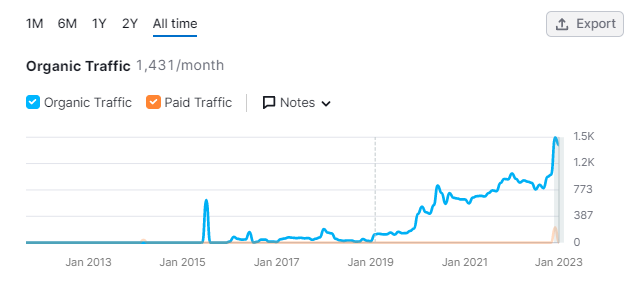
Law Firm SEO Case Study
The improvements came from removing structural barriers to visibility, aligning content with real search demand, and strengthening how pages connected across the site.
+500%Increase in organic traffic
+60%Increase in conversions
30%Reduction in ad spend
How Our Immigration Law Firm SEO Process Works
We review the site and market, prioritize the strongest opportunities, then expand the work that produces traction.
01
Phase 1
Build the Foundation
We review rankings, Google Business Profiles, attorney profiles, practice-area pages, real offices, Spanish demand, reviews, directories, competitors, intake paths, technical issues, and tracking.
02
Phase 2
Close the Gaps
We map distinct immigration matters, legitimate office pages, supported Spanish demand, biography improvements, consolidations, and internal links. We avoid every-service-by-every-city combinations.
Verified biographies connect attorneys with offered services. Attorney-reviewed content, eligible profiles, real offices, consistent directories, confidentiality-conscious reviews, native Spanish writing, and bilingual intake support accurate discovery.
03
Phase 3
Expand What Works
Search Console, GA4, profile interactions, calls, forms, and available CRM outcomes measure consultation requests, scheduled consultations, relevance, matter demand, language preference, and office demand. Privacy-conscious labels exclude immigration status, matter facts, A-numbers, receipt numbers, and privileged information.
From a Generic Website to Practice-Area SEO
The practical shift connects verified immigration services and real offices with relevant search journeys and responsive consultation intake.
Before
One generic page combines unrelated immigration matters.
Maps and local organic eligibility remain unclear.
No useful Spanish pathway exists where supported demand is present.
Traffic remains disconnected from consultation intake.
After
Matter-specific pages reflect verified services and search intent.
Eligible profiles and real office pages support relevant searches.
Native-quality Spanish content connects with bilingual intake where available.
Calls and forms connect through consultation scheduling.
Search progress varies with competition, website condition, current authority, office locations, content scope, implementation, and intake quality.
Build an attorney-reviewed bilingual search strategyWe map supported matters, real offices, native-quality Spanish content, and consultation paths.
Book a Free Strategy Call
Questions Immigration Firms Ask Before Hiring an SEO Agency
Immigration law firm SEO reaches prospective clients who lack a referral and use search to compare attorneys, services, languages, locations, and consultation options. A relevant page and clear intake path help the firm evaluate an inquiry, but a consultation request does not guarantee case acceptance.
Spanish-language positioning is valuable when the firm serves Spanish-speaking clients and can provide accurate legal content, responsive intake, and attorney communication in Spanish. Native review, bilingual intake, attorney oversight, and appropriate routing must support each consultation path.
Immigration law firms usually need separate pages when family, employment, humanitarian, naturalization, waiver, and removal-defense searches represent different legal matters. Pages should separate only when offered services and search intent differ meaningfully.
Immigration Law Firm SEO FAQs
Direct answers for immigration attorneys evaluating search services and consultation intake.
What should an immigration law firm target first in SEO?
Immigration law firms should prioritize the services, locations, languages, and consultation queries that match attorney experience, intake capacity, and business goals. Attorney review should confirm that each page reflects offered services, applicable advertising rules, and responsive consultation intake before publication.
Should immigration law firms create Spanish pages?
Immigration firms should create Spanish pages when local demand exists and the firm can provide native-quality content, bilingual intake, and appropriate attorney communication. Each page also needs accurate routing and attorney review.
How do reviews affect immigration lawyer SEO?
Reviews can influence local prominence and consultation decisions, but immigration firms must protect confidentiality and avoid prompting clients to disclose case details or immigration status. Requests should invite general feedback without suggesting keywords or outcomes.
How long does immigration law firm SEO take?
Immigration law firm SEO often needs four to six months or longer for meaningful gains, although early ranking or impression movement may appear sooner. Competition, site condition, authority, offices, scope, and implementation speed matter.
Turn Immigration Searches Into Qualified Consultation Requests
Diakachimba is the immigration lawyer SEO company connecting verified services, attorney-reviewed pages, real offices, and English or Spanish search journeys with Google Maps, organic results, calls, forms, and scheduled consultations. The free audit reviews page coverage, profile accuracy, intake paths, and measurement.
Get Your Free Audit Review your actual services, office eligibility, language pathways, pages, profiles, intake, and measurement.