
Demand mapping
links tax, audit, bookkeeping, outsourced accounting, and fractional CFO searches with commercial priorities
Diakachimba is an accounting SEO agency that works with CPA firms, outsourced accounting providers, fractional CFO firms, and advisory practices to generate qualified inquiries from business owners and finance leaders. We connect focused service pages, technical SEO, expert content, relevant authority, and inquiry tracking.
links tax, audit, bookkeeping, outsourced accounting, and fractional CFO searches with commercial priorities
connects services with industries, company situations, finance leaders, and evaluation tasks
improves crawling, indexing, metadata, internal links, performance, and on-page relationships
turns accounting subject expertise into useful pages supported by relevant authority
connects landing pages with forms, calls, consultations, proposals, and qualified opportunities









Accounting searches reflect different tasks, evaluators, and business actions. A founder may begin with a finance-capacity problem; a Controller may define technical requirements; procurement may later review scope and terms. We map these patterns without assuming every buyer follows one sequence. Each stage connects a named actor and problem with a useful page type, then directs the reader toward service definition, a provider list, consultation, or engagement review. This creates useful entry points for both early research and active vendor selection without forcing one linear funnel.
A founder, CEO, CFO, or Controller recognizes a finance-capacity, reporting, close-process, cash-flow, or audit-readiness problem. A diagnostic guide or service explainer helps that buyer identify the underlying task, understand available support, and define the accounting service the company needs before evaluating providers. Clear examples help the reader distinguish a temporary capacity gap from a continuing finance requirement.
A CFO, Controller, or business owner looks for a provider with relevant service and industry experience. Focused service and industry pages connect the buyer's situation with confirmed capabilities, useful proof, and subject expertise. These pages help the evaluator create an initial list of accounting firms that fit the requirement and understand which delivery model deserves a closer review.
A finance leader, owner, or procurement reviewer compares delivery models, specialization, proof, and commercial fit. Comparison, case-study, and decision-support pages clarify differences without unsupported claims. They give each evaluator the evidence needed to shortlist firms and request consultations with providers that match the company's priorities, operating requirements, and review process.
A CEO, CFO, practice sponsor, or legal reviewer verifies credentials, reviews, case studies, subject expertise, and engagement terms. Team pages, FAQs, case studies, and engagement pages support that validation. Clear scope and accurate claims help the buying group proceed to a consultation, proposal, or formal engagement review with fewer unanswered questions about fit and delivery.

Commercial coverage breaks when accounting expertise remains inside partner conversations instead of useful, crawlable pages.
Generic service summaries rarely match the combinations buyers use: a service, an industry, a company situation, and sometimes a location. Partners and practice leaders hold detailed knowledge about tax planning, audit readiness, outsourced accounting, Controller support, and fractional CFO work, but that knowledge often never becomes a searchable, decision-ready asset.
Lean marketing teams then face a coordination problem. Research, expert interviews, writing, technical implementation, internal links, approvals, authority development, and measurement require sustained production across many months. The result is a coverage gap across commercially relevant searches and fewer opportunities to enter a buyer's initial provider list.
Our <a href="/seo-services/fully-managed-seo/">fully managed SEO</a> team coordinates strategy, production, implementation, authority development, and reporting for lean accounting teams.
Diakachimba manages the operating cadence; marketing managers and accounting subject-matter experts provide access, priorities, reviews, and approvals.
Scope follows the firm's services, markets, website condition, competition, measurement needs, review capacity, and available commercial data.
Engagements are priced to the size of the market and scope of work, starting at $2,500 per month. See how pricing scales.
Get StartedSix connected workstreams align the firm's actual services, subject expertise, buyer groups, approval process, implementation capacity, and commercial measurement.
SEO strategists use keyword research services within our B2B SEO services framework to connect tax preparation, tax planning, audit and assurance, bookkeeping, payroll, outsourced accounting, client accounting services, fractional CFO, Controller, industry, location, comparison, and vendor searches with commercial priority. The team validates which services the firm actually provides, then groups demand by buyer, decision stage, feasibility, and likely business value. SEO for accountants starts with a focused map instead of an assumed inventory of every possible practice area, unsupported location, or unconfirmed specialty.
Content writers use SEO content services to interview CPAs, tax partners, bookkeepers, fractional CFOs, and advisory professionals. They create distinct pages for confirmed services and selected markets such as SaaS, healthcare, manufacturing, construction, real estate, or nonprofits. This search work becomes useful when each page connects a buyer problem with accurate capabilities, industry context, proof, and a clear consultation path. Comparison and decision-support pages are added only when search intent supports them and the firm can provide a meaningful, accurate answer.
Technical specialists and developers deliver technical SEO services across crawling, indexing, canonicals, metadata, internal links, structured data, performance, and page relationships. Strategists align titles, headings, copy, and links with each page's service and buyer purpose. Structured data summarizes visible facts and relationships; it does not create rankings. The team also resolves duplication and weak architecture that can prevent priority service or industry pages from being discovered, understood, indexed correctly, and connected with related expertise.
Accounting professionals supply original expertise on applicable topics such as revenue recognition, ASC 606, lease accounting, ASC 842, or audit readiness when those subjects match an offered service. Writers turn that input into useful pages. Authority specialists pursue credible business and accounting references. For AI search, crawlable pages, clear service relationships, original expertise, consistent company facts, visible-copy-aligned structured data, and credible third-party references can help search and retrieval systems interpret a firm. They do not guarantee citations or recommendations in AI search.
Local specialists support regional and multi-office firms through Google Business Profile work, accurate firm information, review processes, location relevance, and market-specific service pages. The plan distinguishes staffed offices from service markets and connects each eligible location with the correct pages and conversion actions. National firms may not need a location-led program. Scope follows actual delivery, office eligibility, buyer geography, and current search results instead of adding city pages to every engagement.
Analysts connect organic landing pages with forms, calls, consultations, qualified opportunities, proposals, and revenue when analytics and CRM data permit it. They define qualification fields with business-development leaders, check tracking paths, and report outcomes by service line, industry, and entry page. Attribution has limits across devices, offline conversations, privacy settings, and incomplete CRM records. Reporting therefore separates observed data from informed analysis instead of claiming that every inquiry or engagement can be traced perfectly.

We review the site and market, prioritize the strongest opportunities, then expand the work that produces traction.
We review service lines, industry focus, finance-leader intent, expert proof, technical health, and inquiry tracking to identify what limits qualified search demand.
We prioritize and implement service and industry pages, technical issues, expert content, authority signals, internal links, and conversion paths around real buyer and vendor-selection behavior.
We use search, conversion, and attribution signals to expand the topics and assets producing consultation requests and qualified accounting inquiries.
The program replaces disconnected marketing activity with clear relationships among services, buyers, pages, expertise, implementation, and measurement. Each shift supports a commercial decision without promising a fixed timeline or outcome. The change clarifies ownership, review requirements, dependencies, and evidence for each prioritized page.
New opportunities depend heavily on referrals and relationships within the partners' existing professional networks and familiar markets.
The website summarizes every service on broad pages with little useful industry, buyer, company-stage, or decision context.
The team cannot see which commercially relevant queries lack a useful landing page or clearly accountable owner.
A new service line launches without a documented search plan, supporting content, internal-link path, or measurement baseline.
Generic articles share expertise but rarely help active evaluators compare services, delivery fit, scope, evidence, or providers.
Traffic and rankings reach leadership without clear commercial context about qualified inquiries, consultations, proposals, or commercial value.
Search introduces the firm to qualified buyers beyond its current referral, event, partnership, and established relationship channels.
Dedicated service and industry pages connect confirmed capabilities with specific buyer needs, decision context, and relevant proof.
A demand map connects priority queries with accountable owners, page types, reviewers, and intended business actions.
A prioritized architecture supports the service launch with research, focused pages, intentional internal links, approvals, and tracking.
Subject-matter-expert content answers important decision questions with accurate service details, limitations, context, and relevant examples.
Commercial reporting connects landing pages with forms, calls, consultations, qualified opportunities, proposals, and pipeline where data permits.
B2B SEO
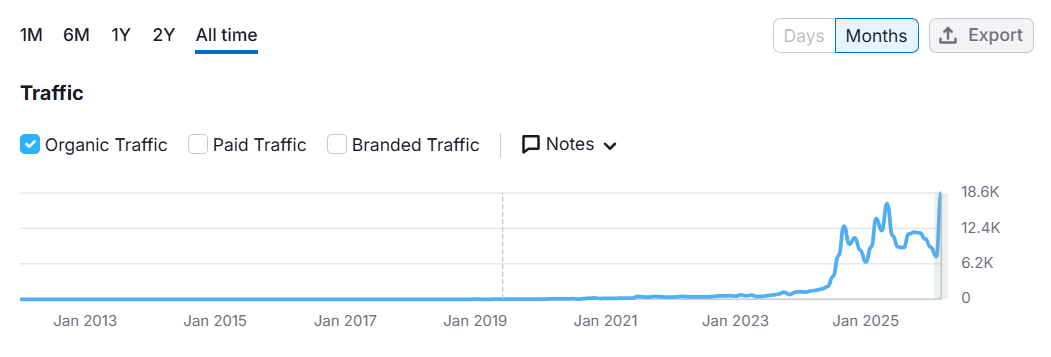
Within 12 months, the company achieved measurable growth across traffic, lead generation, and paid media efficiency , transforming SEO into the primary acquisition channel for one of its two target audiences.
This program supports the people responsible for firm growth, client development, and marketing execution. Each role needs a different view of demand, subject-matter input, approvals, inquiry quality, and commercial reporting. The engagement works when leadership sets priorities, business development evaluates opportunities, and marketing coordinates access and reviews.
You approve growth priorities, positioning, and budget across the practice. The program gives you a service-line view of demand, the work required to reach qualified buyers, and reporting tied to inquiry quality. Practice leaders choose which services and industries deserve investment, confirm that published claims match delivery, and evaluate consultations, proposals, and pipeline with business-development leaders. You can compare the operating commitment with the commercial opportunity before expanding scope.
You evaluate inquiry quality and proposal opportunities across the firm's target services and industries. Search can introduce the practice to companies outside the existing network and place its expertise inside an evaluator's initial provider list. Business-development leaders help define qualification criteria, share buyer objections, review consultation outcomes, and show which organic opportunities progress toward proposals. That feedback helps the team refine pages around the requirements discussed in real sales conversations.
You coordinate the website, content, partner reviews, approvals, events, and reporting with limited production capacity. The engagement supplies strategy, writers, technical specialists, developers, authority support, and analysts. Marketing keeps the work accurate by scheduling subject-matter interviews, routing drafts to the right practice leaders, securing access, and confirming that implementation reflects the approved service scope. A shared production cadence makes pending decisions, dependencies, and next actions visible to every responsible reviewer.
Referrals carry existing trust. Search reaches business owners and finance leaders outside the firm's network while they define a need, compare providers, or validate a shortlist. Focused service, industry, comparison, and decision pages give those buyers a route to a consultation without replacing relationship-led development.
Diakachimba handles demand research, strategy, writing, technical implementation, internal links, authority development, and reporting. The firm provides website and analytics access, service priorities, subject-matter interviews, technical review, and approvals. CPAs, tax partners, bookkeepers, fractional CFOs, and client-service leaders confirm that pages describe the firm's actual work accurately.
Educational updates inform current clients and demonstrate expertise. Commercial search pages perform another job: they explain a service, connect it with an industry or company situation, answer comparison questions, establish delivery fit, and provide a consultation path. The program keeps useful educational content while filling service, industry, comparison, and decision-support gaps.
A regional firm's opportunity depends on query intent, authority, specialization, location, current search results, and page quality. We evaluate those conditions before recommending targets. Our general B2B case studies demonstrate broader execution, not accounting-firm results. They do not prove that a regional practice will outrank a national provider.
Accounting subject-matter experts validate service descriptions, standards, examples, credentials, and claims before publication. Writers document questions and distinguish general education from firm-specific delivery. Practice leaders and client-service teams confirm that final copy matches the services offered, while legal or compliance reviewers assess regulated claims and engagement language when relevant.
Accounting SEO work improves how a firm appears when business owners and finance leaders search for tax, audit, bookkeeping, outsourced accounting, or advisory support. The service combines demand research, focused pages, technical implementation, expert content, relevant authority, and inquiry measurement around the firm's confirmed offerings.
The agency coordinates research, architecture, content, implementation, internal links, authority development, and reporting. Accounting professionals provide service knowledge and review accuracy. Analysts connect organic entry pages with forms, calls, consultations, qualified opportunities, and proposals where tracking permits.
Progress varies with the website's technical condition, existing authority, competition, page scope, approval speed, and implementation capacity. Early work establishes measurement and resolves priority gaps. Competitive service and industry markets can require continued publishing, technical improvements, and authority development without a universal inquiry or ranking timeline.
Pricing for Diakachimba's fully managed engagement starts at $2,500 per month. Final scope reflects the firm's services, target industries, locations, website condition, content requirements, technical work, authority needs, and measurement setup. The engagement operates month to month rather than through a fixed package.
An accounting firm needs a new website only when the current platform or architecture prevents necessary technical, content, conversion, or measurement improvements. Many firms can retain their existing site while adding service and industry pages, repairing technical issues, improving internal links, and clarifying consultation paths.
Qualified-inquiry measurement connects organic landing pages with forms, calls, consultations, CRM stages, proposals, and revenue where data permits. Analysts define qualification criteria with firm leaders and separate attribution from informed analysis. Offline conversations, privacy settings, device changes, and incomplete CRM records can limit attribution.
SEO for accounting firms works best when confirmed services, buyer needs, subject expertise, implementation, and measurement connect. A free review identifies demand gaps, priority pages, technical blockers, approval needs, and practical conversion tracking. You receive a clear view of the work required to reach more qualified business owners and finance leaders, the internal expertise and approvals needed to support production, and the first priorities worth evaluating against current business-development goals.
Get Your Free SEO Growth Plan Or explore how our engagements are structured