
Engineering disciplines
Civil, structural, MEP, geotechnical, environmental, and transportation capabilities mapped to buyer needs.
Diakachimba is an engineering SEO agency that works with civil, structural, MEP, geotechnical, and environmental consulting firms to generate qualified project inquiries from real estate developers, facility owners, contractors, and public-sector buyers. We build SEO for engineering consulting firms around verified capabilities, project requirements, market coverage, and the evidence buyers review before a scope discussion. Search supports discovery and validation alongside referrals, repeat clients, prequalification lists, and direct relationships. Clear pages also help buyers understand which disciplines a firm offers, where its team can work, and whether its experience fits a project. Google, local results, relevant industry sources, and AI search can then point buyers toward accurate, approved information rather than vague service summaries.
Civil, structural, MEP, geotechnical, environmental, and transportation capabilities mapped to buyer needs.
Feasibility, assessments, design, permitting, code compliance, coordination, and construction administration for selected projects.
Developers, facility owners, contractors, architects, municipalities, utilities, and capital-project leaders evaluating professional support.
Verified project experience, licensed professionals, sector knowledge, technical methods, and quality-control processes.
Google search, local results, relevant industry sources, and AI-assisted research using approved firm information.








Private and public selection processes differ. A private facility owner may move from research to a scope discussion and negotiated proposal. A public agency may use prequalification, an RFQ, an SOQ, an evaluation committee, a shortlist, an interview, and scope negotiation. Qualifications-based selection and SF 330 apply only to relevant opportunities. Search supports each process by making approved capabilities, people, project experience, and locations easier to assess. It does not replace procurement rules, formal submissions, interviews, or relationship development.
A facility owner, developer, plant manager, public works leader, or project executive responds to an expansion, structural concern, site acquisition, infrastructure upgrade, or code issue. A technical guide, diagnostic resource, or service explanation helps define the need and identify the required discipline.
An owner’s representative, facilities director, architect, contractor, or municipal project manager compares possible approaches and providers. A discipline, sector, and location page explains relevant capabilities, project considerations, and evidence. The buyer uses it to build an initial list of qualified firms.
A project executive, procurement leader, architect, technical evaluator, or selection committee examines project case studies, team pages, credentials, project sheets, and qualifications resources. The next step may be a qualifications request, RFQ or RFP invitation, SOQ review, or scheduled scope discussion.
A project owner, procurement team, legal reviewer, finance leader, and technical evaluator validate the firm profile, delivery process, project experience, team credentials, and proposal-support information. Depending on the process, they may shortlist the firm, request a proposal, negotiate scope, or award the engagement.

Search adds a discovery and validation path without displacing relationships or formal procurement.
A generic engineering services page rarely matches the discipline, sector, project, and location combinations buyers use during research.
Valuable project experience often remains inside PDFs, portfolio galleries, capability statements, and proposal folders that search engines and buyers cannot easily connect to a current need.
Credentials, technical teams, and service pages may also sit apart, forcing evaluators to assemble the firm’s qualifications themselves. Referrals, repeat clients, prequalification lists, and existing relationships remain legitimate acquisition channels.
Search gives unfamiliar buyers another way to discover the firm and gives referred contacts a clearer way to validate capabilities before a call, qualifications request, or formal procurement step.
Our team manages research, strategy, technical implementation, content production, expert-review coordination, internal linking, relevant authority work, and reporting.
Your engineers and firm leaders supply source material, confirm service and market details, review technical claims, and approve publication.
The engagement follows an agreed scope and documented priorities, with month-to-month execution that can adapt as project needs, review capacity, and commercial goals change.
Engagements are priced to the size of the market and scope of work, starting at $2,500 per month. See how pricing scales.
Get StartedThe program connects verified engineering capabilities with how private, public, and institutional buyers research project needs. Each lever has a defined role, an approval path, and a measurable direct commercial purpose.
A strategist connects buyer roles and project triggers with engineering disciplines, scopes, sectors, locations, and selection stages. Commercial keyword research distinguishes broad interest from searches describing a structural concern, site-development need, facility upgrade, or infrastructure project.
The map separates private buying paths from applicable public procurement. RFQ, RFP, SOQ, and qualifications-based selection terms appear only for relevant opportunities. Low-volume searches can matter when they express a live requirement, but volume alone does not establish value. Priorities reflect verified services, geographic eligibility, competition, and business goals.
Site architecture creates pages for relevant combinations, such as structural engineering for industrial facilities, civil engineering for land development, MEP engineering for healthcare, or geotechnical consulting in a verified market. The professional-services search framework connects them to clear services and buyer actions.
Each page needs a verified capability, distinct buyer need, useful supporting information, real search demand, and appropriate conversion path. Comparison content appears only for genuine buyer questions. Focused architecture prevents adjacent services from being mistaken for capabilities the firm does not provide.
Writers turn approved project sheets, case studies, technical papers, capability statements, team biographies, presentations, and technical questions into useful web content. Our SEO content workflow connects each project with its discipline, sector, scope, location, team, and deliverables.
A qualified subject-matter expert reviews claims, terminology, methods, and project context. When required, the firm anonymizes the client, site, budget, performance details, or sensitive constraints. Published evidence must respect contract terms, client permissions, confidentiality, and professional responsibilities.
Technical SEO implementation improves crawling, indexing, canonical handling, internal links, performance, mobile usability, image optimization, accessible portfolios, structured-data consistency, and PDF discovery. Service, project, team, and location pages must remain usable and connected.
Important project or service information receives a crawlable HTML version. A PDF can remain available for proposal or qualification use, but essential details should not live there alone. Structured data describes visible information consistently; it does not produce rankings or rich results by itself.
Eligible offices need accurate names, addresses, phone numbers, categories, and Google Business Profile details. Verified service areas and location pages clarify where teams operate without implying unsupported coverage. Relevant directories, association references, earned industry links, project citations, and team citations reinforce factual connections when appropriate.
Consistent entities, approved technical information, crawlable pages, and relevant references also support standard search and AI search discovery. No platform guarantees recommendations or citations. Authority specialists pursue sources aligned with the firm’s real disciplines, sectors, people, and markets.
Analysts connect organic entry pages with available conversion data, including consultations, project inquiries, qualifications requests, RFQ or RFP invitations, scope discussions, proposals, shortlists, and signed opportunities. The measurement plan defines events, form fields, call sources, and CRM stages.
Attribution has limits. Sales cycles can involve offline introductions, private procurement, referrals, multiple evaluators, privacy controls, CRM gaps, and several channels. The professional-services SEO approach distinguishes observable facts from interpretation and evaluates inquiry quality where reliable evidence exists.

We review the site and market, prioritize the strongest opportunities, then expand the work that produces traction.
We review engineering disciplines, project types, sectors, procurement roles, qualifications, technical health, market coverage, and inquiry tracking to identify what limits qualified search demand.
We prioritize and implement discipline and project pages, technical issues, qualification evidence, case studies, internal links, authority, and proposal paths around real buyer and vendor-selection behavior.
We use search, conversion, and attribution signals to expand the topics and assets producing qualified scope discussions, proposal opportunities, and project inquiries.
The change is practical: approved capabilities, project evidence, teams, and markets become connected across the website. Search complements established business development while the firm retains control over claims, confidentiality, and where it can legally and operationally serve clients.
Referral and relationship discovery alone. New buyers outside established networks have few paths to find or validate the firm.
One generic engineering services page. Disciplines, sectors, projects, and locations compete for attention without clear relevance.
Project experience stored in PDFs and proposal folders. Buyers must open disconnected files to understand qualifications.
Credentials presented without context. Licenses, team expertise, methods, and project examples do not explain which work they support.
A new discipline or regional market launched without search data. Publishing follows internal assumptions rather than validated opportunity.
Traffic and ranking reports. Leadership sees visibility metrics without a consistent connection to project inquiries or proposal activity.
Multiple credible discovery paths. Buyers arrive through referrals, direct visits, search, and relevant industry sources, then find consistent information.
Validated pages for commercial priorities. Distinct discipline, sector, project, and active-market pages answer specific buyer needs.
Crawlable project pages with supporting files. Services, teams, sectors, and downloadable qualification materials connect around approved experience.
Qualifications tied to relevant work. Verified licenses, team credentials, methods, and project evidence appear where they inform evaluation.
Expansion priorities based on evidence. Capabilities, demand, competition, licensure, and commercial goals guide the publishing plan.
Project-inquiry measurement. Reports follow consultations, qualifications requests, proposals, shortlists, and opportunities where reliable data is available.
B2B SEO
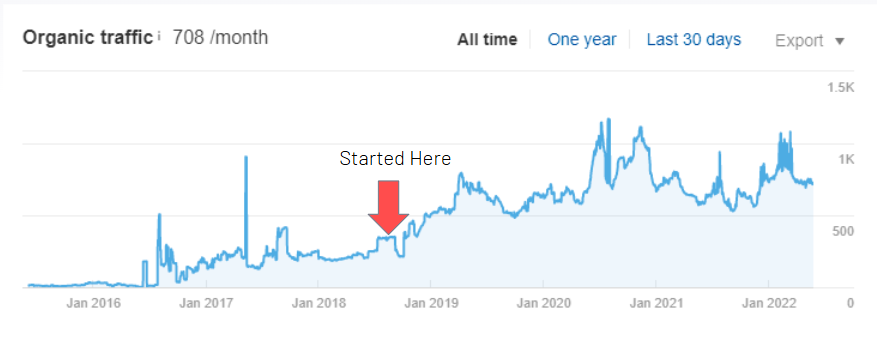
The strategy transformed the site from a brand-dependent asset into a search-driven acquisition channel targeting high-value enterprise buyers.
The engagement coordinates three groups that already share responsibility for growth. Leadership sets priorities and protects technical standards. Business development identifies qualification needs and project signals. Marketing manages source materials, access, and approvals. Diakachimba’s strategist, writers, technical specialists, authority specialists, and analysts turn those inputs into an operating program with clear owners. Each role sees the information relevant to its decisions during every stage of planned work without inheriting a separate production workload.
You balance client delivery, technical standards, hiring, and growth across selected disciplines and markets. The search program helps diversify project discovery without weakening referral relationships or publishing claims the technical team cannot support.
You set commercial priorities, identify the services and locations the firm can verify, and appoint qualified reviewers.
Reporting then connects marketing activity with consultations, qualification requests, proposals, and other observable opportunities so leadership can decide where further investment makes sense.
You monitor project demand, support teaming conversations, coordinate qualifications, and help the firm compete for suitable work. Search content can make approved project experience easier to reuse during RFQs, SOQs, RFPs, and shortlist evaluation.
It can also introduce the firm to buyers outside the existing network before a formal opportunity opens.
You help identify recurring buyer questions, useful project evidence, and proposal assets that deserve a crawlable version while keeping procurement submissions and website content appropriately distinct.
You coordinate the website, project sheets, team biographies, campaigns, proposals, and technical reviews while responding to constant deadline changes.
A managed workflow gives each service, project, team, and location page an owner, source package, reviewer, and approval status. Writers and technical specialists handle production and implementation; you organize access and feedback.
Clear reporting helps you explain discovery and project-inquiry signals to leadership without treating every visit as a lead or every proposal as an SEO result.
Relationships and referrals remain valuable sources of engineering work. Search can introduce the firm to buyers beyond the current network and help referred contacts validate disciplines, teams, locations, and project experience before contacting a managing principal.
It adds an evidence-based discovery route while existing relationships, repeat clients, and direct business development continue operating.
Search does not replace formal procurement, prequalification, portal requirements, or a compliant submission.
It can support awareness before an opportunity, qualifications review during evaluation, teaming research, shortlist validation, and preparation for interviews or scope discussions.
The website gives procurement leaders and technical evaluators an accessible source of approved firm information alongside required documents.
A broad traffic estimate and a specific project query serve different purposes. A low-volume phrase may describe a meaningful need, such as a structural assessment for a particular facility type, but specialization alone does not prove commercial value.
We review capability fit, buyer intent, geography, competition, and conversion options before assigning content resources.
The workflow starts with existing project sheets, proposals, presentations, technical papers, interviews, and approved firm materials. Writers prepare drafts and identify factual questions.
A designated subject-matter expert reviews technical claims, confidentiality, and terminology before publication. The schedule follows realistic reviewer capacity, and the team can pause or resequence work when project obligations require attention.
Regional firms can pursue relevant opportunities around verified capabilities, project experience, sectors, and locations. National companies may still compete strongly, and no page guarantees an outranking result.
The strategy focuses on combinations where the regional firm offers useful evidence and can serve the buyer, rather than treating company size as the deciding search factor.
The program includes opportunity research, site architecture, technical SEO, service and sector content, approved project experience, local visibility for eligible offices, relevant authority development, and inquiry measurement.
Priorities follow the firm’s verified disciplines, markets, locations, technical resources, and commercial goals rather than a standard publishing checklist.
The learning process combines source-material review, stakeholder interviews, and focused questions about services, sectors, projects, and delivery methods. Writers prepare drafts from approved evidence.
Qualified technical reviewers check terminology, claims, confidentiality, and accuracy, then request revisions or approve each page before it is published.
Timing reflects the current website, market competition, technical issues, content approvals, existing authority, and publishing capacity.
Early indicators may include improved crawling, relevant impressions, and stronger engagement, but no universal date applies to rankings or project inquiries. Reporting uses agreed milestones and observable evidence instead of fixed outcome promises.
Scope reflects discipline count, sector coverage, locations, technical condition, existing content, project portfolio depth, and internal review requirements. Fully managed engagements currently start at $2,500 per month, with final pricing based on the work required.
The firm receives a defined scope before execution begins.
Approved assets can become crawlable project, service, credential, and decision-support pages that connect related expertise. Writers preserve necessary qualification files while adapting useful information for the web.
Client names, sites, budgets, methods, and results remain subject to confidentiality requirements and qualified technical review before publication.
Measurement combines available analytics, forms, call tracking, CRM records, RFQ sources, proposal stages, and offline qualification notes.
Analysts connect evidence where systems allow, then state gaps caused by privacy controls, referrals, long sales cycles, and multi-touch decisions. Reports do not assign contract revenue without reliable supporting data.
We will review how buyers find your priority disciplines, sectors, projects, and markets, then identify gaps between search demand and the approved evidence on your site. SEO for engineering firms should support clearer qualifications evaluation and measurable paths from relevant entry pages to consultations, project inquiries, and formal opportunities. Explore our general case-study library for broader professional-services proof, or request a focused review of this page and its surrounding content system.
Get Your Free SEO Growth Plan Review general B2B SEO proof