
Brokerage services
tenant representation, landlord representation, investment sales, property marketing, and advisory services
Diakachimba is a commercial real estate SEO agency that works with brokerages, tenant representation firms, investment sales teams, and CRE advisory companies to generate qualified inquiries from tenants, investors, property owners, and corporate real estate leaders. We connect brokerage services, property types, verified markets, technical SEO, useful content, relevant authority, and inquiry tracking. Prospects often search by transaction trigger, property type, market, and client sector before contacting a broker. The program turns verified service and transaction knowledge into focused pages that help buyers assess fit and take a clear next step without mixing residential or property management demand into the same market.
tenant representation, landlord representation, investment sales, property marketing, and advisory services
site selection, lease renewal, relocation, acquisitions, dispositions, and due diligence
tenants, investors, owners, developers, and corporate real estate leaders
industrial, office, retail, multifamily, medical office, and mixed-use properties
Google search, local discovery, relevant industry sources, and AI-assisted discovery









Commercial real estate searches reflect a business trigger, property requirement, market, and transaction stage. A facilities leader defining a space need requires different information from an acquisitions director evaluating an investment sales team. We map useful entry pages to the people, decisions, and actions behind each search without forcing every buyer into one sequence. The goal is to support initial research, shortlist creation, firm evaluation, and final validation with accurate brokerage information. This structure also helps each internal reviewer understand which facts, examples, credentials, and conversion options a page requires.
A CFO, COO, facilities leader, or Director of Real Estate faces a lease expiration, expansion, relocation, consolidation, or new market entry. A diagnostic guide, market guide, or transaction-planning resource helps the stakeholder define requirements, understand representation options, and decide if outside brokerage support is needed before contacting firms.
A VP of Real Estate, facilities leader, acquisitions director, or investor searches for relevant service, property-type, and market experience. A focused service, asset-class, and market page explains the firm's verified capabilities, team, transaction context, and next steps. The evaluator uses that evidence to create an initial shortlist of suitable firms.
A CFO, VP of Real Estate, investment principal, or ownership team compares specialization, transaction experience, team credentials, and commercial fit. Case studies, team pages, transaction pages, and comparison resources provide decision support without unsupported claims. The buying group can then book a broker call, issue an RFP, or request a proposal.
The primary buyer asks legal, procurement, finance, or ownership stakeholders to verify the shortlisted firm. Transaction experience, case studies, market reports, team credentials, and service-process pages clarify claims, review requirements, and engagement steps. Accurate evidence helps the group advance toward a proposal, due diligence, or a signed representation agreement.

Relationship-led growth remains valuable, while search adds discovery and validation beyond an existing network.
Prospects who begin with search may never encounter a firm supported mainly by referrals and direct relationships. Generic service pages also fail to connect tenant representation, investment sales, or project leasing with specific property types, markets, and transaction triggers.
Evaluation becomes harder when listings, market reports, team pages, and transaction proof operate as disconnected assets. A prospect cannot easily move from a market requirement to a relevant advisor, service, example, and consultation path. A commercial real estate SEO plan organizes those relationships so qualified buyers can understand fit and take an appropriate next action.
We manage strategy, technical SEO, buyer-stage content, authority, AI visibility, conversion paths, and reporting for Commercial Real Estate Firms, so your team can build qualified pipeline without running another internal production operation.
Engagements are priced to the size of the market and scope of work, starting at $2,500 per month. See how pricing scales.
Get StartedSix connected workstreams align verified brokerage capabilities with buyer demand, useful pages, technical access, relevant authority, and measurable inquiry paths.
Strategists use keyword research services within a B2B SEO services framework to connect buyer roles and transaction triggers with brokerage services, asset classes, markets, and deal stages. Research may identify demand for industrial tenant representation in a metro, office lease renewal advice, retail investment sales in a submarket, or site selection for a healthcare operator. The team validates the firm's actual services and geographic coverage, then prioritizes searches by relevance, competition, page requirements, and intended commercial action.
Content strategists use SEO content services to combine core brokerage services, relevant property types, verified geographic markets, sector expertise, and decision-stage questions. Each page needs distinct search demand, useful market or service information, real business relevance, and an appropriate inquiry path. The architecture avoids copied city pages and thin combinations that add no decision value. Brokers validate capabilities, examples, terminology, transaction context, and claims before publication.
Technical specialists provide technical SEO services across crawling, indexing, performance, canonicals, redirects, internal links, and page signals. Firms with public inventory receive stable listing URLs, property-status handling, accurate visible details, and structured data that matches each page. Removed listings require a deliberate redirect or archival policy. Firms without extensive inventory focus technical work on service, market, team, transaction, and insight pages. Commercial listing markup does not guarantee a rich result.
Research analysts and content strategists turn validated quarterly reports, transaction observations, submarket updates, lease-planning guidance, and property-type analysis into useful decision assets. One original research source can support an executive summary, service page, market page, shorter insight, and outreach to relevant industry publications. In AI search, clear service and market entities, sourced claims, useful original information, consistent company facts, and crawlable pages can improve the chance of discovery. They cannot guarantee citations or inclusion.
Local specialists support accurate office and service-area details, eligible Google Business Profiles, consistent business information, market-specific pages, local proof, and internal links between markets and services. Commercial real estate broker SEO must distinguish staffed offices, genuine operating markets, regional coverage, and national capabilities. The architecture reflects how the firm actually serves clients without doorway pages or copied city content. Market expansion follows validated demand, available expertise, transaction evidence, and the firm's review capacity.
Analysts connect organic entry pages with calls, property inquiries, consultation requests, tour requests, valuation requests, proposals, RFPs, and qualified assignments when website, phone, analytics, and CRM data permit it. They define useful qualification fields with brokerage and business-development leaders, then report patterns by service, property type, market, and landing page. Offline conversations, long deal cycles, referrals, privacy controls, and incomplete CRM records limit attribution, so reporting separates observed data from informed analysis.

We review the site and market, prioritize the strongest opportunities, then expand the work that produces traction.
We review brokerage services, asset classes, transaction triggers, markets, buyer roles, deal proof, technical health, and inquiry tracking to identify what limits qualified search demand.
We prioritize and implement service, asset-class, and market paths, technical issues, transaction content, relevant authority, proof, and inquiry routes around real buyer and vendor-selection behavior.
We use search, conversion, and attribution signals to expand the topics and assets producing qualified tenant, investor, property-owner, and advisory inquiries.
The program connects services, property types, markets, people, proof, and conversion actions. Each improvement supports discovery or evaluation without promising a ranking, assignment volume, or fixed timeline. Clear ownership and approval requirements keep every prioritized asset accurate, useful, and commercially relevant.
New assignments depend almost entirely on established relationships, referrals, events, and direct broker outreach.
Broad service and market summaries give active buyers little property-type, sector, or transaction context.
Published property inventory uses disconnected URLs, weak internal links, inconsistent details, and unclear status handling.
Market reports primarily reach existing contacts through email, broker distribution, and direct sales follow-up.
A new market or property line launches without prioritized demand, page requirements, architecture, or ownership.
Traffic reports reach leadership without useful context about calls, tours, consultations, proposals, or qualified assignments.
Qualified discovery includes relationships, referrals, search, direct visits, and relevant industry sources.
Dedicated pages address validated service, asset-class, operating market, sector, and buyer decision requirements.
When public inventory exists, crawlable listing pages connect through deliberate links, accurate details, and status rules.
Decision-support research serves email, search, broker conversations, market pages, media outreach, and prospect follow-up.
Expansion follows validated demand, business relevance, available expertise, page requirements, ownership, and review capacity.
Commercial reporting connects available data with calls, inquiries, tours, consultations, proposals, RFPs, and qualified assignments.
B2B SEO
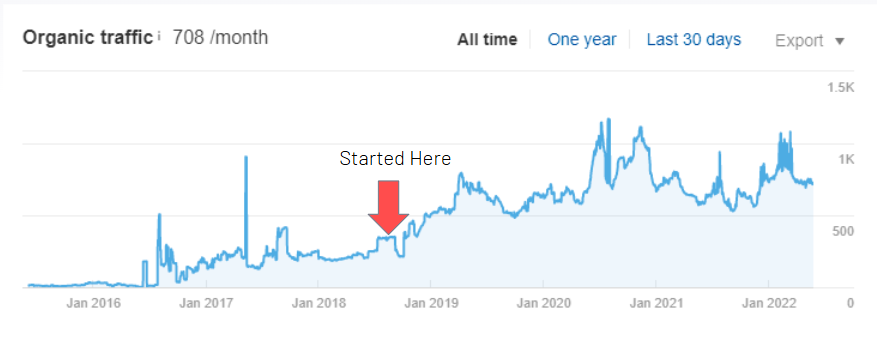
The strategy transformed the site from a brand-dependent asset into a search-driven acquisition channel targeting high-value enterprise buyers.
This program supports the people responsible for brokerage growth, client development, and marketing execution. Leadership sets service and market priorities, business development evaluates inquiry quality, and marketing coordinates broker input, legal review, implementation access, and reporting. Each role receives the commercial context needed to make decisions and keep production accurate.
You set growth priorities across services, property types, and markets. The program shows where search can extend discovery beyond existing relationships and which pages require broker expertise, transaction evidence, and investment. Leadership confirms the services and markets worth promoting, approves positioning, and evaluates whether calls, proposals, and qualified assignments support continued production. You can compare the operating commitment, review burden, and commercial opportunity before expanding scope.
You help brokers open conversations, follow up with prospects, and support account-based outreach. Search research can reveal demand patterns across sectors, property types, and markets. Service pages, market reports, transaction examples, and comparison resources give the team useful follow-up assets. Your feedback helps distinguish general traffic from inquiries that match the firm's assignment criteria and shows which prospect questions deserve clearer decision support.
You coordinate a complex calendar across listings, market reports, service pages, transaction announcements, team updates, and performance data. The engagement supplies strategy, writers, technical specialists, authority support, and analysts. Marketing schedules broker interviews, routes property and transaction claims through legal review, confirms market accuracy, provides access, and keeps production moving through clear approvals. A shared cadence makes dependencies, pending facts, accountable reviewers, and implementation decisions visible.
Relationships remain central to commercial real estate. Search adds access to tenants, investors, owners, and corporate real estate leaders outside the current network. It also helps referred prospects validate services, market experience, team credentials, and transaction context before making contact. The goal is an additional discovery and validation path, not a replacement for broker relationships.
Diakachimba manages research, architecture, writing, technical implementation, internal links, relevant authority development, and reporting. The firm provides system access, priorities, broker interviews, property facts, transaction context, legal review, and approvals. A defined workflow turns brokerage input into usable pages while keeping claims accurate and pending decisions visible to each responsible reviewer.
Market reports provide a strong source asset when buyers can discover and use them. The program aligns each report with relevant queries, creates a crawlable landing page, connects it to service and market pages, and provides a consultation path. Executive summaries, shorter insights, internal links, and distribution extend the report beyond an email attachment.
Opportunity depends on the specific service, property type, submarket, transaction experience, current search results, and site authority. We assess those conditions before prioritizing a page. Our general B2B case studies show broader execution, not CRE results, and do not guarantee a regional firm will outrank a national brokerage.
Broker, legal, and compliance reviewers validate property facts, availability, client names, deal values, transaction details, market commentary, and performance claims before publication. Writers document open questions and approval status. Technical teams also apply the approved property status, canonical, archival, or redirect treatment so public pages remain accurate after availability or transaction conditions change.
This service connects brokerage offerings, property types, markets, and buyer needs through research, site architecture, technical SEO, useful content, local visibility, relevant authority, and inquiry measurement. It helps qualified tenants, investors, owners, and corporate real estate leaders discover and evaluate a firm.
An SEO agency for commercial real estate firms manages demand research, architecture, implementation, content production, internal links, authority development, and reporting. The client supplies service priorities, market knowledge, broker interviews, listing or transaction facts, system access, and the legal or leadership approvals needed for accurate publication.
Progress depends on the site baseline, competition, market scope, publishing capacity, technical constraints, existing authority, and approval speed. Early work establishes measurement and fixes priority gaps. Competitive service and market coverage may require continued production without a universal ranking or inquiry date.
Pricing reflects market count, service complexity, relevant asset classes, listing inventory, technical condition, content volume, approval requirements, authority work, and reporting needs. Diakachimba prices fully managed work to the size and complexity of the market, starting at $2,500 per month.
Property listing work can be included when the firm publishes inventory. Stable URLs, visible details, internal links, status handling, canonicals, and redirects support those pages. Service, market, team, transaction, and research pages remain important for firms with limited inventory or advisory-led business models.
CRE SEO measurement uses analytics, call tracking, forms, CRM fields, landing pages, and offline qualification to connect entry pages with calls, tours, consultations, proposals, RFPs, and assignments. Long deal cycles, referrals, privacy controls, offline conversations, and incomplete CRM records prevent perfect attribution.
A focused search program works best when verified services, property types, markets, transaction expertise, and measurement connect. A free review identifies demand gaps, priority pages, technical blockers, approval needs, and practical inquiry tracking. You receive a clear view of the work required to improve relevant discovery, strengthen buyer validation, and measure qualified calls, consultations, proposals, and assignments where data permits.
Get Your Free SEO Growth Plan Or explore how our engagements are structured