
An accurate Business Profile connected with actual services, locations, hours, and contact information
SEO for Roofing Companies
Roofing SEO Services for Qualified Estimate Requests
Diakachimba is a roofing SEO agency that works with residential roofers, commercial contractors, and storm restoration teams to improve visibility across Google Maps, organic results, and AI search. Our SEO services connect homeowners and property managers with verified repair, replacement, inspection, material, and location pages before they request an estimate.
Competitive Search Assets
Search Assets That Help Roofing Companies Compete
Separate pages for verified repair, replacement, storm, material, residential, and commercial services
Useful service-area pages for cities the company genuinely covers
Genuine reviews, local projects, and verifiable credentials, insurance, certifications, and warranties
Consistent company, service, location, project, material, and credential relationships for search systems
Fully Managed Delivery
Fully Managed SEO for Roofing Companies
Our managed search program connects actual services, materials, locations, projects, credentials, and estimate paths. Local strategists, content writers, technical SEO specialists, authority specialists, conversion specialists, and analysts manage the work.
Our SEO services for roofers cover search and competitor research, technical corrections, service and location architecture, project and material content, Business Profile coordination, local authority, inspection and estimate measurement, and monthly reporting.
Engagements are priced to the size of the market and scope of work, starting at $2,500 per month. See how pricing scales.
Get StartedRoofing Search Behavior
How Property Owners Search for Roofing Contractors
Repair searches may involve leaks, flashing, missing shingles, or another specific problem. Replacement customers compare contractors, materials, warranties, estimates, financing, timelines, and project examples.
Storm-response searches may involve hail, wind, inspections, temporary protection, repair, replacement, or insurance documentation.
Property and facility managers may research commercial roofing by verified roof system, building type, maintenance need, repair scope, replacement plan, or coverage. Roofing demand includes urgent response and planned evaluation.
SEO for roofing contractors should connect each demand path with verified services, project evidence, coverage, credentials, and estimate options.
4
Core demand paths: repair, replacement, storm response, and commercial roofing.
2
Decision modes: urgent response and planned evaluation.
1
Connected search system linking visibility, project evidence, and estimate paths.
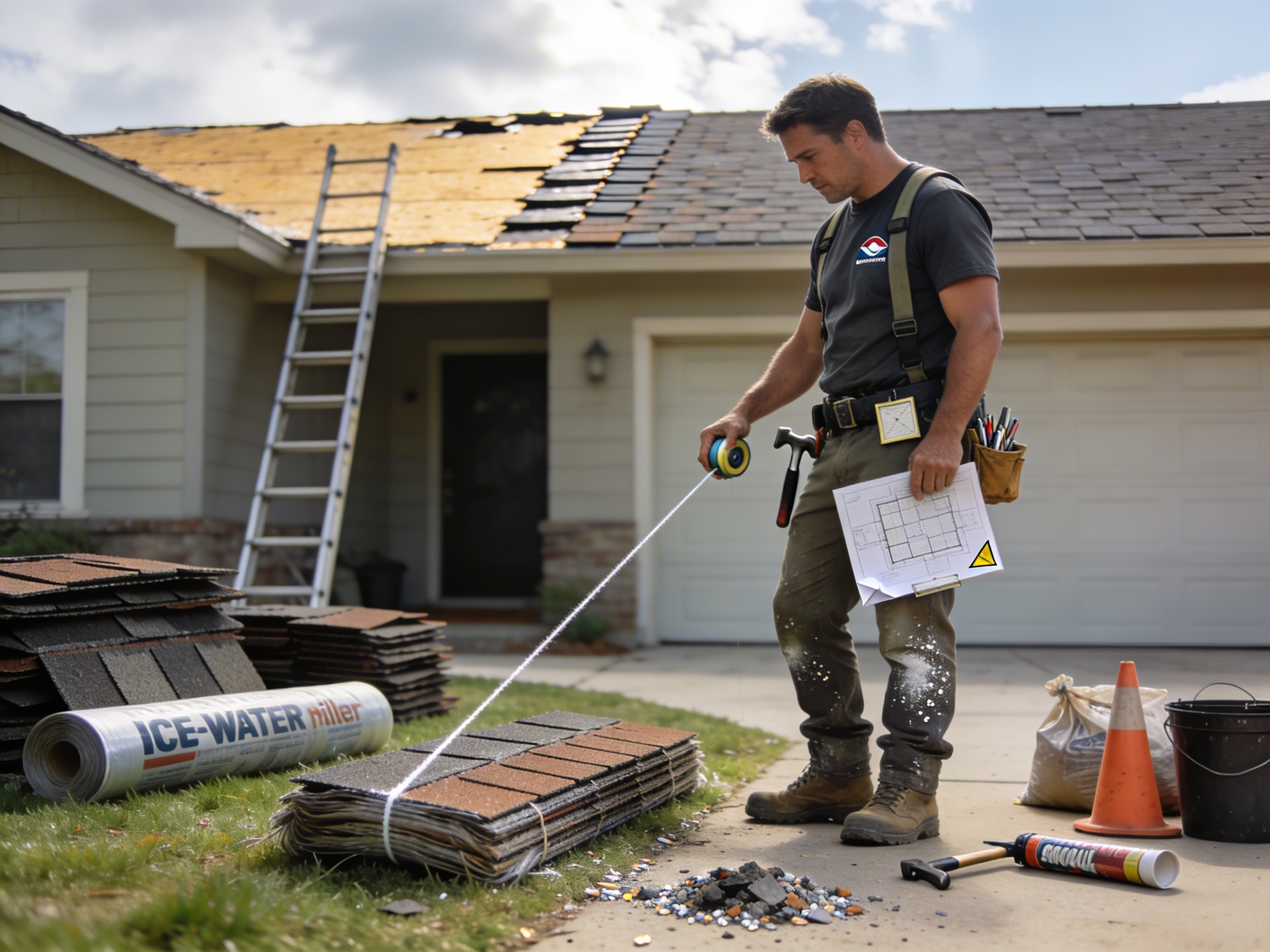
Why Established Roofing Companies Miss Qualified Estimates
One generic roofing page can mix repair, replacement, residential, commercial, storm, and material intent. Duplicated service-area pages, markets outside actual coverage, unsupported credentials, or conflicting Business Profile information make it harder for property owners to evaluate fit.
Project galleries may show photos without location, property type, roof system, material, scope, or outcome context. Calls and forms also lose value when reporting cannot connect them with inspections, estimates, proposals, or booked projects where tracking allows.
Six Parts of Local SEO for Roofing Companies
Local SEO for roofing companies depends on relevance, distance, and prominence alongside useful content and accurate business information. Distance cannot be manufactured through copy, keywords, duplicated locations, or service-area settings.
01
Google Business Profile and Maps
Roofer SEO strategists align eligible categories, services, address or service-area settings, hours, phone, verified project photos, and estimate links. Posting frequency, profile keywords, virtual offices, or duplicate listings cannot guarantee Map Pack visibility.
02
Service and Service-Area Architecture
Roofing contractor SEO separates verified repair, replacement, storm, material, residential, and commercial intent. Content writers build location pages only for areas genuinely served, using distinct demand, original local information, and actual operating coverage.
03
Project and Material Content
Commercial roofing SEO connects real projects with location, building type, roof system, material, scope, challenge, process, and outcome. Asphalt shingles, metal, TPO, EPDM, PVC, coatings, or other systems appear only when offered.
04
Reviews and Verified Trust Evidence
Local authority specialists support honest reviews and accurate responses. Licenses, insurance, manufacturer certifications, warranties, financing, permits, and operating history require verification, while scripted wording, review gating, or unsupported project claims are excluded.
05
Technical SEO and Conversion Paths
Technical SEO specialists and conversion specialists address crawlability, indexation, mobile performance, duplicate pages, internal links, metadata, calls, inspection forms, and estimate requests without promising specific rankings, conversion improvements, inspections, or signed projects.
06
Local Prominence and Entity Clarity
Analysts connect legitimate directories, associations, suppliers, manufacturers, chambers, community involvement, projects, services, and locations. Consistent relationships support organic and AI understanding without guaranteeing citations, rankings, recommendations, estimate volume, or visibility.
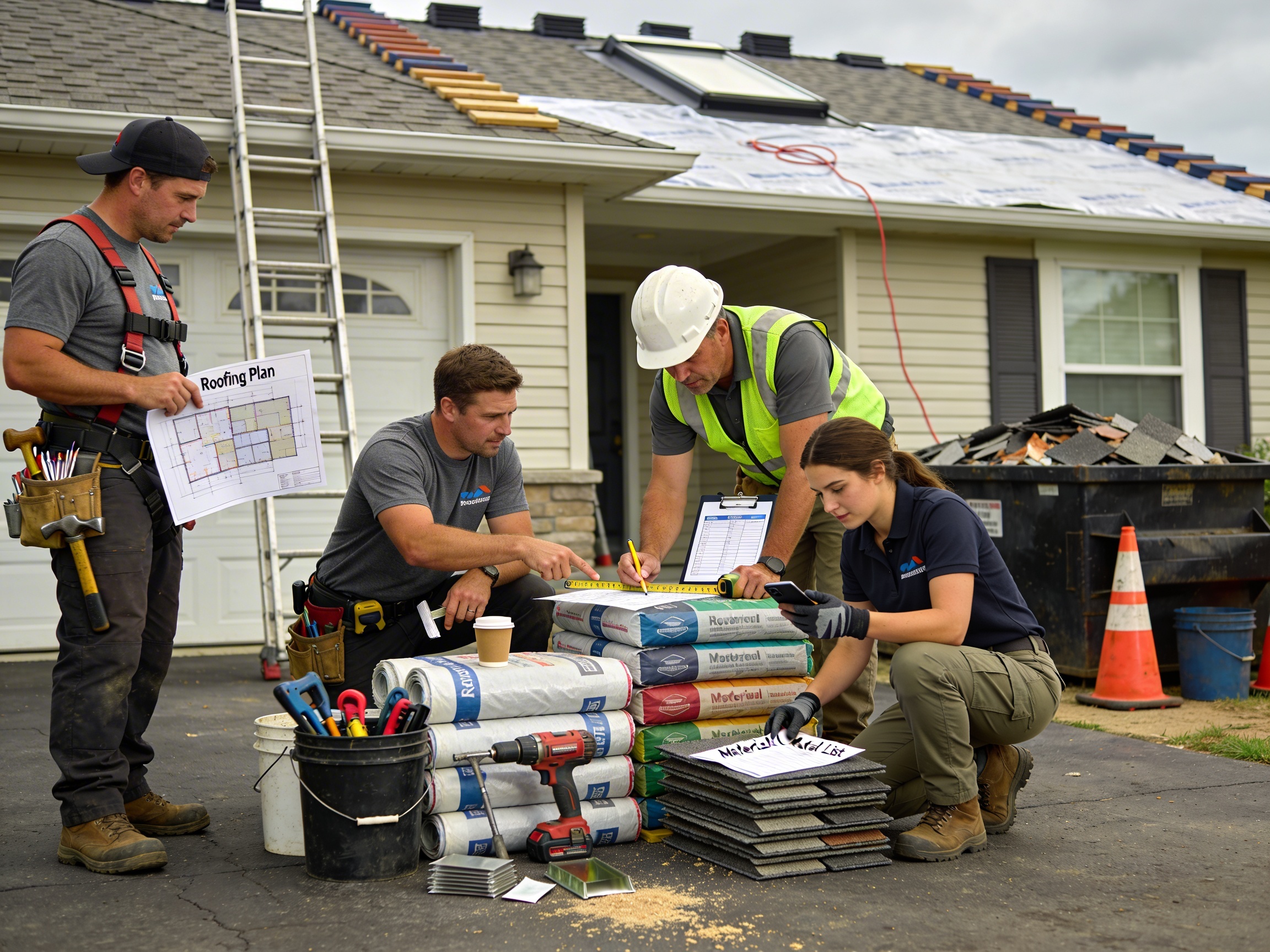
Who Our Roofing SEO Services Work With
An SEO agency for roofers should verify services, materials, locations, projects, credentials, customer groups, and operating capacity before publishing pages or changing profile information. The roofing SEO agency then connects those facts with relevant demand.
When Another Channel Fits Better
Contractors needing estimate requests next week should prioritize paid search or Local Services Ads where eligible. Roofing SEO generally requires several months to improve visibility and qualified demand.
Residential roofing companies and repair contractors need verified services connected with local demand.
Roof replacement companies want material, estimate, warranty, and project information represented accurately.
Storm restoration roofers need real availability and factual damage-documentation relationships.
Metal roofing contractors need offered systems connected with residential or commercial intent.
Flat and low-slope commercial roofers serve verified building, repair, maintenance, and replacement needs.
Multi-location roofers operate legitimate offices with accurate coverage, hours, teams, and services.
Roofing company SEO should begin with verified services, locations, projects, materials, and credentials.The audit reviews profiles, pages, technical access, internal links, conversion paths, competitors, and tracking.
Get Your Free Roofing SEO Audit
Geographic Coverage
Local SEO for Roofing Companies Across the U.S., Canada, and LATAM
We plan each campaign around the markets a business actually serves. Coverage refers to client markets, not Diakachimba office locations.
United States
SEO for local and service-area businesses across U.S. markets, shaped by real services, competition, and buyer demand.
Canada
Market-specific search strategy for Canadian businesses that need stronger local visibility and qualified inquiries.
Latin America
English, Spanish, and bilingual search support for relevant LATAM markets when the engagement requires it.
Local SEO
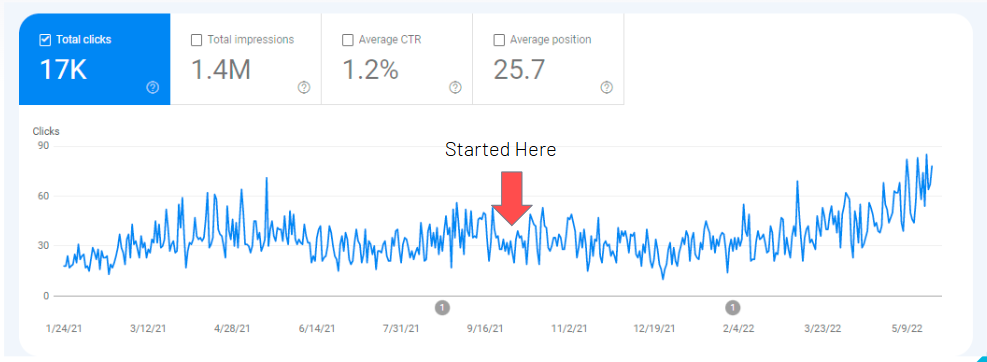
Contracting Company SEO Case Study
The improvements came from focusing on existing demand, removing barriers to visibility, and expanding keyword coverage across service pages.
+150%Increase in organic traffic
+30%Increase in conversions
100%Key pages indexed
How Our Roofing SEO Process Works
We review the site and market, prioritize the strongest opportunities, then expand the work that produces traction.
01
Phase 1
Build the Foundation
We review the website, Business Profile, technical condition, verified services, materials, locations, projects, credentials, competitors, conversion paths, and current tracking to identify priority local gaps.
02
Phase 2
Close the Gaps
We align business information, fix technical problems, organize priority services, improve internal links, correct relevant citation inconsistencies, and clarify mobile inspection, estimate, and contact paths.
We create or improve pages for verified repair, replacement, storm, material, commercial, project, and location demand according to actual capabilities, meaningful demand, search behavior, and original evidence.
03
Phase 3
Expand What Works
We develop legitimate local references, support genuine reviews, improve project evidence and internal links, and report qualified calls, inspections, estimates, proposals, and booked work where tracking permits.
From Generic Roofing Pages to Project-Specific Search Coverage
The operational shift organizes verified services, materials, projects, locations, credentials, conversion paths, and measurement around roofing work the company can actually provide.
Before
Business Profile information is incomplete or conflicting.
Visibility centers on the business name.
One generic page covers every roofing service.
Service areas and offered materials are unclear.
Project photos lack useful context.
Reporting is disconnected from inspections and estimates.
After
Business, service, location, and credential information is accurate.
Pages reflect verified service, material, project, and intent.
Residential and commercial coverage is distinct.
Project galleries connect useful contextual relationships.
Inspection and estimate paths are clear.
Reporting connects qualified opportunities where data permits.
Outcomes vary with competition, proximity, website condition, local prominence, service coverage, seasonality, tracking quality, and implementation pace.
Roofing marketing works best when project evidence and estimate information remain accurate.The strategy call reviews demand, competition, service coverage, content gaps, and realistic priorities.
Book a Free Strategy Call
Questions Roofing Contractors Ask Before Hiring an SEO Agency
Previous roofing SEO campaigns often stall when they neglect Business Profile accuracy, service architecture, technical foundations, local project evidence, conversion paths, and qualified-job reporting. A new audit should connect verified operations, priority services, technical access, useful project content, local prominence, and measurable estimate paths.
Diakachimba handles research, technical work, content, local optimization, and reporting after a focused onboarding that documents services, locations, materials, seasonality, and project priorities. The contractor verifies business information, credentials, offered systems, projects, availability, and estimate processes while our team manages execution.
Roofing SEO may show early visibility movement within two to three months, while stronger inspection and estimate growth commonly requires four to six months or longer. Timing depends on competition, proximity, website condition, local prominence, service coverage, seasonality, and implementation pace.
Roofing SEO FAQs
Direct answers for roofing contractors comparing search services.
How do roofing companies improve Google Maps visibility?
Roofing companies improve Google Maps visibility through accurate Business Profile information, legitimate locations, genuine reviews, consistent business data, relevant website pages, and local prominence. Google considers relevance, distance, and prominence; proximity cannot be manufactured through keywords, service-area settings, or duplicated location pages.
How is roofing SEO different from Google Ads or Local Services Ads?
Roofing SEO builds Maps and organic visibility over time, while Google Ads and eligible Local Services Ads provide paid placement during active campaigns. The channels can operate together while reporting separates paid calls, organic calls, inspection requests, estimates, booked projects, and attribution limits.
What pages does a roofing website need?
A roofing website generally needs repair, replacement, material, storm, commercial, service-area, project, estimate, and trust pages based on the contractor’s actual services. Separate pages should follow distinct intent, search-result overlap, business importance, meaningful demand, and sufficient original content for customers.
Can a roofing company compete with contractors that have more reviews?
A roofing company can strengthen its review profile through consistent, honest requests after completed customer interactions, without scripting responses, gating feedback, or promising a ranking change. Progress depends on customer participation and does not guarantee that the company will catch or surpass a competitor.
How long does SEO for roofing companies take?
SEO for roofing companies commonly requires four to six months for meaningful lead impact, although technical fixes or less competitive queries may move earlier. Timing depends on competition, proximity, website condition, local prominence, service coverage, seasonality, project evidence, and implementation pace.
How much do roofing SEO services cost?
Roofing SEO services start at $2,500 per month, with final pricing based on market competition, service coverage, website condition, and required content. Final scope also reflects legitimate locations, technical needs, priority services, project evidence, local prominence, conversion tracking, and reporting requirements.
Turn Roofing Searches Into Qualified Estimate Requests
Diakachimba is the roofing SEO company auditing missing service, material, project, and location coverage; Business Profile inconsistencies; technical and internal-linking problems; unsupported trust information; conversion gaps; and attribution limits.
Get Your Free Roofing SEO Audit The audit identifies priority pages, technical corrections, profile updates, internal links, project evidence, conversion improvements, and measurement requirements.