We build organic acquisition systems for business insurance brokers that generate qualified quote requests, risk consultations, renewal opportunities, and commercial accounts from Google and AI search, independent of referral volume, producer prospecting, bought leads, carrier campaigns, and networking groups.
SEO for Business Insurance Brokers That Turns Risk Research Into Qualified Accounts
How Businesses Research and Shortlist Commercial Insurance Brokers
Most buyers do not begin by searching for a brokerage name. They begin with a requirement: a renewal increase, contract clause, certificate request, new vehicle, cyber questionnaire, lease obligation, claim concern, hiring milestone, acquisition, or uncovered exposure. The owner wants a clear recommendation. Finance examines premium and total cost. Operations evaluates disruption risk. HR checks employment and workers' compensation issues. Legal reviews contractual requirements. A risk manager compares limits, exclusions, carrier options, and service. Before contacting a broker, the buying group may have reviewed coverage pages, industry expertise, licenses, carrier relationships, reviews, claims support, team credentials, and AI-generated recommendations. The brokerages visible throughout that process enter the conversation with more trust.
- what insurance does a growing business need
- why did our commercial insurance renewal increase
- insurance requirements in a client contract
- coverage gaps after hiring employees
Risk-led content reaches buyers while they are identifying exposure, contractual pressure, or a gap in the current program.
- commercial insurance broker for contractors
- cyber insurance broker for technology companies
- workers compensation insurance broker
- business insurance broker near me
Coverage, industry, location, and specialty-practice pages position the brokerage while buyers define the type of advisor they need.
- independent broker vs direct insurance company
- best commercial insurance brokers for manufacturers
- local vs national insurance broker
- [competitor] alternatives
Comparison, process, market-access, service, and risk-management content helps buyers reduce the shortlist before requesting terms.
- [brokerage name] reviews
- [brokerage name] carriers
- [brokerage name] claims support
- [brokerage name] licenses
Branded proof, team profiles, service standards, licensing clarity, case studies, and onboarding expectations validate the final choice.
Business Insurance Brokers Have Expertise. Most Websites Reduce It to a List of Policies.
It is visibility among businesses whose industry, revenue, payroll, property, fleet, claims history, risk profile, and service expectations fit the brokerage's market access and economics.
A strong commercial broker does more than collect quotes.
The brokerage identifies exposures, structures programs, accesses suitable markets, explains tradeoffs, supports loss control, manages renewals, advocates during claims, and helps the client adjust coverage as the business changes.
Most brokerage websites communicate almost none of that.
They list general liability, property, workers' compensation, auto, cyber, and professional liability. The same descriptions appear across hundreds of agency websites. Industry pages contain a few generic paragraphs. Location relevance is limited to a footer address. Carrier logos are displayed without explaining market access or placement strategy.
Buyers cannot tell:
- Which industries the brokerage understands
- Which account sizes and risk profiles are a fit
- Which states the team is licensed to serve
- Which coverages and specialty markets it handles
- How the brokerage approaches renewal strategy
- How claims advocacy works
- Whether loss control and risk-management support are included
- How quickly certificates and policy changes are handled
- How carrier selection is evaluated
- What makes the service model different from a direct platform or competing broker
That creates a search and positioning gap.
Direct carriers, aggregators, national brokerages, publishers, and lead-generation sites dominate broad coverage terms. Bought leads force agencies into speed-to-contact competition. Referral growth depends on relationships the brokerage cannot scale predictably. Producer outbound often reaches businesses before a renewal or trigger event makes the conversation timely.
Search captures demand when the need is active.
A strong commercial insurance SEO system connects coverage lines, industries, locations, risk events, buyer questions, broker proof, and conversion paths. It helps the brokerage appear before the buyer submits one generic form to multiple providers or defaults to a direct quote platform.
The objective is not more quote volume at any cost.
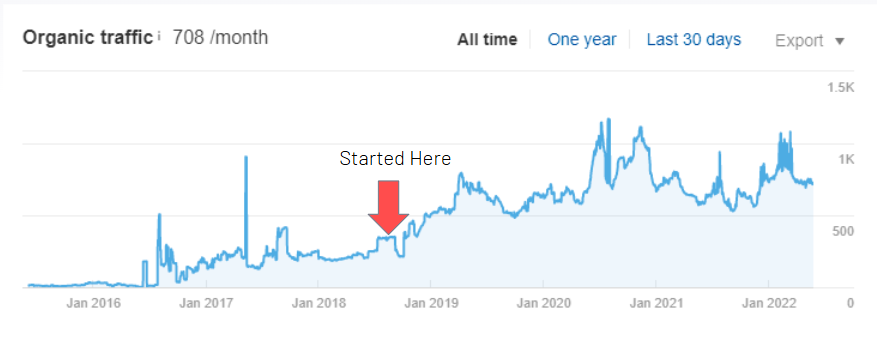
Done-For-You B2B SEO That Pays for Itself
We build a done-for-you Google + AI search system that generates consistent inbound pipeline for B2B companies without you writing a word or managing a single deliverable. Most of our clients see their first qualified leads within 90 days.
That's 3–6x faster than traditional SEO, and you don't need to touch it. If you're not seeing measurable traction by day 90, we keep working at no cost until you see results. Month-to-month after that. No lock-in.
Six Ways Commercial Insurance SEO Builds Qualified Pipeline
Organic visibility matters when it helps the right businesses understand their risk, validate your expertise, and start a commercially viable conversation.
Commercial insurance demand sits across combinations of coverage, industry, geography, and account type.
We map dedicated pages around priority policies, target verticals, specialty practices, and real service territories. Each page has one intent, relevant risk context, licensing accuracy, proof, and the correct consultation or quote path.
The architecture targets the business your brokerage wants, not every possible insurance search.
Buyers search when something changes: a contract, claim, renewal, acquisition, new hire, vehicle, location, cyber requirement, or compliance obligation.
We build content around those trigger events and connect each question to the relevant coverage, industry, and broker service.
This reaches prospects before the request becomes a price-only quote exercise.
Business insurance may be placed across state lines, but local trust and licensing still affect broker selection.
We align office pages, Google Business Profiles, citations, reviews, service areas, producer profiles, and market-specific proof. Multi-office architecture gives each location clear territory without duplicating the same page repeatedly.
Commercial buyers want to understand broker compensation, carrier access, renewal timelines, claims support, policy reviews, onboarding, and how independent advice differs from direct purchasing.
We build concise decision content around broker comparisons, coverage tradeoffs, quote requirements, service expectations, and switching brokers.
Clear answers improve lead quality and reduce repetitive questions during the first meeting.
Insurance content must be accurate, current, and careful about coverage claims.
We combine licensed-subject-matter review, state and carrier context, transparent disclaimers, structured data, expert profiles, reviews, industry mentions, and relevant backlinks.
These signals improve trust across Google, third-party sources, and AI-generated insurance answers.
Not every quote request fits the brokerage.
We qualify demand using industry, location, revenue, payroll, vehicles, property values, current coverage, renewal date, loss history, and requested lines, without making the initial form unusable.
Reporting connects organic pages to qualified opportunities, estimated premium, commission potential, cross-sell, retention, and won accounts.
The Transformation
This is the before and after for business insurance brokerages that turn organic visibility into a coordinated acquisition system.
New accounts depend on referrals, producer relationships, networking groups, bought leads, carrier introductions, and renewal-date prospecting.
The website lists policies but does not rank for the industries, risk events, contractual requirements, specialty coverages, and local searches that create qualified demand.
Coverage descriptions sound identical to direct carriers and competing agencies, making the broker's advisory value difficult to understand.
Industry knowledge remains inside producers, account managers, claims teams, renewal reviews, and client conversations.
Local pages, Google Business Profiles, producer profiles, reviews, citations, and licensing information do not operate as one trust system.
Content explains definitions but rarely helps a buyer evaluate risk, prepare for a renewal, compare broker models, or understand the placement process.
Marketing reports traffic and leads without showing account quality, estimated premium, commission potential, cross-sell, or retention value.
Organic search generates quote requests and risk consultations from businesses actively evaluating coverage or broker support.
Coverage, industry, location, specialty, and trigger-event pages map directly to how commercial buyers research.
The website demonstrates risk advice, market access, renewal strategy, claims advocacy, service standards, and industry expertise.
Producer and service-team knowledge becomes a reusable search and sales asset without creating a writing burden.
Local profiles, reviews, offices, licensing signals, industry proof, and authority links reinforce the same brokerage entities.
Content supports research, comparison, renewal preparation, sales follow-up, backlinks, and AI citations.
Every meaningful conversion is tracked to account fit, policy interest, estimated premium, opportunity stage, and won revenue.
Fully Managed SEO
We build and run your complete organic acquisition system: strategy, technical SEO, local visibility, content, authority, AI search, conversion paths, and revenue reporting, so your brokerage gains a compounding source of qualified commercial accounts without creating another production operation for producers or account teams to manage.
If we do not see measurable traction by day 90, we keep working at no cost until it does.
Priced to the size of your market, starting at $2,500 per month. See how pricing scales.
Get My Free Growth AnalysisThis Is Built for Three Specific People in Commercial Insurance
You built the book through relationships, service, producer expertise, and client retention.
Now growth is too dependent on referral flow, acquisitions, and individual producers.
- New-account growth is difficult to predict
- The brokerage needs stronger visibility in priority verticals
- Direct platforms and larger brokers dominate search
- Leadership needs marketing tied to premium and book growth
You need accounts with a real renewal, risk trigger, and fit for your carrier markets.
SEO should create informed conversations, not shared leads looking only for the fastest certificate or cheapest quote.
- Bought leads create low close rates
- Prospecting often misses the renewal window
- Producers repeatedly explain the same coverage and process questions
- You want inbound accounts already evaluating broker fit
You manage the website, campaigns, producer support, carrier content, events, reviews, and reporting with limited subject-matter availability.
You need a system that extracts insurance expertise efficiently and proves commercial impact.
- Coverage pages generate little qualified demand
- Industry expertise is not visible online
- Local SEO and content operate as separate projects
- Leadership expects reporting beyond traffic and form fills
What Business Insurance Brokers Ask Before Investing in SEO
Referral quality comes from transferred trust. SEO builds trust through coverage depth, industry expertise, producer credentials, reviews, claims and service information, and repeated visibility during research.
The targeting must be narrow enough to filter out poor-fit demand.
Coverage-plus-industry pages, renewal and risk-trigger content, local proof, and clear qualification can attract businesses with a real need and a realistic fit for your markets.
SEO does not replace referral relationships. It reaches qualified companies outside the existing network and strengthens validation when a referred prospect researches the brokerage.
Producers and licensed staff validate insurance expertise; they do not manage production.
We use existing proposals, renewal presentations, coverage checklists, carrier materials, webinars, claims lessons, sales calls, and interviews to prepare structured drafts.
Reviewers confirm coverage accuracy, state context, market availability, exclusions, terminology, and statements that require qualification.
This creates a controlled review workflow rather than asking producers to write pages from scratch.
No.
A page should only exist when there is meaningful demand, real brokerage expertise, valid licensing and service coverage, suitable carrier access, and enough unique information to help the buyer.
Thin combinations create duplication and compliance risk.
We prioritize the intersections that match your best accounts, strongest markets, and highest commercial value, then expand after those pages prove demand.
Established brokerages with credible domains, reviews, office signals, and pages already receiving impressions may see early movement within three to five months.
New domains, competitive metros, weak authority, multi-state expansion, or major site restructuring require a longer runway.
The system compounds over 12 to 18 months as coverage and industry clusters mature, local authority grows, and branded demand increases.
We improve existing near-page-one pages and missing bottom-of-funnel opportunities first.
Yes, on more specific commercial searches.
A regional brokerage may not outrank a national carrier for business insurance. It can compete for combinations such as cyber insurance broker for law firms, workers' compensation broker for manufacturers, or commercial insurance broker in a priority metro.
Industry knowledge, local relevance, service proof, producer expertise, reviews, and focused authority can beat a generic national page when the query is specific.
Common Questions About SEO for Business Insurance Brokers
What keywords generate qualified commercial insurance leads?
The strongest terms combine a coverage line with an industry, location, risk trigger, or broker-intent modifier.
Examples include commercial insurance broker for contractors, cyber insurance broker for SaaS companies, workers' compensation broker near me, and business insurance renewal review.
We prioritize account fit and premium potential over raw volume.
How should coverage and industry pages be structured?
Coverage pages own policy-line intent. Industry pages explain the exposure profile and relevant insurance program for a specific class of business.
Internal links connect them without publishing a thin page for every possible combination.
Each page should include accurate scope, risk context, broker value, qualifications, and a clear next step.
Does local SEO matter for commercial insurance brokers?
Yes.
Buyers use office proximity, reviews, state licensing, local knowledge, and service availability to validate a brokerage.
Google Business Profiles, office pages, citations, producer profiles, reviews, and local authority should reinforce the same market coverage.
How do you handle insurance compliance in SEO content?
We avoid guarantees, universal coverage statements, invented pricing, and unsupported claims about carrier availability.
Important pages receive licensed review, appropriate state and product context, clear disclaimers, source dates, and update ownership.
Visible content and structured data must match what the brokerage can actually offer.
Can SEO support specialty commercial insurance practices?
Yes.
Specialty practices often have lower search volume but higher account value and clearer buyer requirements.
Cyber, professional liability, D&O, environmental, marine, construction, transportation, healthcare, and other niches can support focused clusters when the brokerage has genuine expertise and market access.
How do you measure commercial insurance SEO performance?
We track qualified quote requests, risk consultations, policy interest, renewal timing, account fit, estimated premium, opportunity stage, close rate, commission potential, cross-sell, and won accounts.
Traffic and rankings remain diagnostic metrics, not the commercial outcome.
Your Next Commercial Account Is Researching Coverage Right Now
Every day your brokerage is absent from coverage, industry, location, renewal, risk, and broker-selection searches, a direct platform, aggregator, carrier, or competing brokerage earns the conversation. We build the organic acquisition system that puts your team in front of business owners, finance leaders, operations teams, risk managers, and procurement groups before a referral, bought lead, producer call, or renewal campaign reaches them.
Get Your Free SEO Growth Plan Or explore how our engagements are structured