A Google Business Profile aligned with eligible categories, real services, accurate areas, hours, and contact paths
Wildlife Removal SEO Services
Wildlife Removal SEO Services for Qualified Local Calls
Diakachimba is a wildlife removal SEO agency that works with wildlife control companies, exclusion contractors, and attic restoration providers to improve visibility across Google Maps, organic results, and AI search. Relevant profiles and pages connect homeowners and property managers with species-specific removal, inspections, exclusion, entry-point repair, attic or crawlspace cleanup where offered, local calls, and inspection requests.
Competitive Search Assets
Search Assets That Help Wildlife Removal Companies Compete
Species and service pages created when the company handles the work and search intent is distinct
Location pages supported by verified service coverage, operational capacity, and original local information
Verifiable credentials, inspection processes, reviews, completed work, repairs, and warranties where documented
Consistent company, service, technician, and location entities across the website, profile, citations, and structured data
Fully Managed Delivery
Fully Managed SEO for Wildlife Removal Companies
Owners define species, territories, hours, capacity, and profitable jobs. Dispatchers qualify calls and schedule inspections.
Technicians complete permitted removal; exclusion specialists seal entries; crews repair and clean where offered. SEO strategists, writers, local, technical, and analytics specialists manage demand, pages, profiles, infrastructure, and attribution.
Our wildlife removal SEO agency manages research, technical SEO, service content, Google Business Profile work, local authority, and reporting. Owners provide service, species, territory, and compliance information while specialists execute.
Engagements are priced to the size of the market and scope of work, starting at $2,500 per month. See how pricing scales.
Get StartedThe Local Search Landscape
How Customers Search for Wildlife Removal Services
A homeowner or property manager may hear attic noises, find an animal entering a crawlspace, see bats inside a structure, notice a damaged vent, or detect a persistent odor. The person searches by species, problem, service, or location.
Google may show Maps listings, directories, franchises, pest control companies, and wildlife specialists. Searchers compare available services, reviews, verifiable credentials, inspection processes, and exclusion experience before calling or requesting an estimate.
Private wildlife removal and municipal animal control serve different needs, while pest control companies may overlap in results without offering identical services.
Wildlife removal SEO helps relevant profiles and pages turn searches into calls, inspection requests, exclusion estimates, cleanup jobs, or booked removal services.
3+
Directories, franchises, pest control companies, or wildlife specialists may appear in visible local results for species, problem, service, and location searches
1
Broad service-area architecture can limit how clearly a wildlife company represents verified coverage, dispatch capacity, local services, and contact paths
10K+
Wildlife-removal-related local searches occur monthly across major metro areas and surrounding suburbs, spanning species, problems, services, and locations

Why Skilled Wildlife Removal Companies Miss Local Calls
Many wildlife removal companies do excellent field work but have weak local search coverage. Their website mentions a long list of animals and services, but it does not build separate pages around the actual high-intent searches people make. Their Google Business Profile is underdeveloped. Their service area is too broad. Their reviews are strong, but they do not reinforce the words and service outcomes Google associates with local wildlife demand.
When someone searches for raccoon removal in a nearby city, bat exclusion near me, or emergency wildlife removal, Google tends to reward the company whose pages, profile, reviews, and authority signals already match that search. That is why companies with better technicians often lose visibility to companies with better local SEO systems.
Six Parts of Local SEO for Wildlife Removal Companies
Local SEO for wildlife removal companies connects accurate profiles, distinct service intent, verified territories, customer proof, citations, legitimate relationships, and clear entities with calls and inspection requests.
01
Google Business Profile Optimization
Specialists select eligible categories and services, then maintain areas, hours, phone, website, and a hidden address where appropriate. Technician, vehicle, inspection, exclusion, and repair photos, honest reviews, and accurate Q&A help customers compare providers without implying guaranteed rankings.
02
Species and Service Page Architecture
Pages reflect species and services, including raccoon, bat, squirrel, bird, snake, skunk, opossum, inspection, exclusion, repair, cleanup, odor, or insulation where offered. Phrases share pages when intent and process match, avoiding variations.
03
City and Service-Area Coverage
Location pages require coverage, demand, results, original details, and capacity. Content may connect dispatch coverage, response windows, species, regulations, and proof. We avoid doorway pages, copied introductions, swapped place names, and every-species-by-every-city combinations.
04
Credentials, Process, and Proof
Licenses, insurance, training, memberships, scheduling, assessments, permitted methods, sealing, repairs, reviews, photos, and warranties clarify processes when verified. Rules vary by jurisdiction, species, and season, so copy references regulations without humane, permanent, or warranty claims unless documented.
05
Reviews and Local Authority
Customers can provide honest feedback after inspections, removal, exclusion, repairs, or cleanup without scripts, keywords, or incentives. Citations and relationships with property managers, inspectors, roofers, restoration contractors, referral partners, chambers, associations, groups, or sources support identity when verified.
06
AI Search Visibility
Consistent website, Google Business Profile, structured data, reviews, citations, and sources can help search and AI systems understand the company, technicians, species, services, locations, credentials, work, and evidence. AI Overviews may interpret these relationships without guaranteed citations, rankings, or recommendations.

Who Our Wildlife Removal SEO Services Work With
Our wildlife removal SEO services support owner-operated companies, multi-technician wildlife businesses, exclusion contractors, and pest control companies with a verified wildlife division. Wildlife control SEO applies only when the company handles those services. An SEO agency for wildlife removal companies should map real coverage and capacity.
Not the right fit
SEO requires time and does not guarantee calls next week. Competition, site condition, service areas, existing prominence, and implementation affect progress. Paid media may be appropriate when immediate demand is the priority.
Referrals, directories, paid leads, or pest control partners supply work, but direct local calls remain inconsistent.
You serve multiple cities, counties, or territories and need original location pages tied to actual dispatch coverage.
You handle specific animals and need species pages that reflect verified services, regulations, and customer intent.
Exclusion, entry-point repair, cleanup, attic restoration, or insulation work where offered lacks dedicated content and proof.
Directories, franchises, and pest control companies occupy Maps or organic results for services your wildlife division provides.
You need wildlife removal SEO reporting that connects pages with qualified calls, inspections, estimates, cleanup jobs, and booked work.
The companies winning wildlife removal search are not always the best operators. They are often the ones with the clearest local SEO system.That system can be built.
Get Your Free Audit
Geographic Coverage
Local SEO for Wildlife Removal Companies Across the U.S., Canada, and LATAM
We plan each campaign around the markets a business actually serves. Coverage refers to client markets, not Diakachimba office locations.
United States
SEO for local and service-area businesses across U.S. markets, shaped by real services, competition, and buyer demand.
Canada
Market-specific search strategy for Canadian businesses that need stronger local visibility and qualified inquiries.
Latin America
English, Spanish, and bilingual search support for relevant LATAM markets when the engagement requires it.
Local SEO
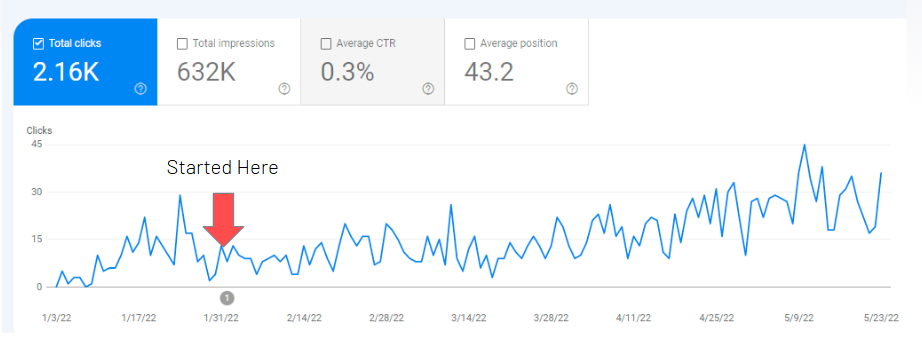
Wildlife Control SEO Case Study
The improvements came from recovering the site’s lost indexation and giving each location page genuine geographic relevance that search engines could recognize and reward.
+200-300%Increase in organic traffic
+80%Increase in inbound calls
50 → 100%Indexation recovery
How Our Wildlife Removal SEO Process Works
We review the site and market, prioritize the strongest opportunities, then expand the work that produces traction.
01
Phase 1
Build the Foundation
We review Google Business Profile, website structure, species and service coverage, service areas, technical condition, rankings, reviews, citations, competitors, calls, and form tracking.
02
Phase 2
Close the Gaps
We improve profile information, species, service, and verified location pages, internal links, technical SEO, structured data, citations, and conversion tracking.
Honest reviews connect jobs with customers. Verified credentials support trust content. Legitimate relationships support links, while service evidence and citations clarify work and identity.
03
Phase 3
Expand What Works
Search Console, GA4, profile interactions, calls, forms, and available CRM data guide expansion into locations, species, or services only when demand and operating capacity support it.
What changes in the first 6 months
This comparison describes practical direction, not a guaranteed six-month result. Progress varies by competition, site condition, service areas, existing prominence, and implementation.
Before
One broad page lists every animal, service, and city
Google Business Profile has incomplete services, hours, or coverage
Species and service intent lacks clear page architecture
Internal links and crawlability limit page discovery
Review requests and verifiable proof develop inconsistently
Calls and forms remain disconnected from search activity
After
Species, service, and verified location pages clarify intent
Profile information accurately represents services and areas
Credentials, processes, reviews, and completed work support evaluation
Technical fixes improve crawling, indexing, and internal links
Early ranking or impression movement informs priorities
Tracking improves attribution for qualified calls and forms
Results vary by market competition, domain history, service areas, website condition, existing prominence, and implementation. We explain realistic priorities before work begins.
Once the core architecture is working, expansion into nearby cities and animal-specific demand becomes much easier to scale.That is when the system starts compounding.
Book a Strategy Call
Questions Wildlife Removal Companies Ask Before Hiring an SEO Agency
Homeowners and property managers frequently use Google Search and Maps when a wildlife problem appears suddenly and they need a qualified local operator. They compare services, reviews, and coverage.
Brand-name rankings reach people who already know the company, while species, service, problem, and location queries introduce it to customers with active needs. Focused pages and profiles support that discovery.
Wildlife removal websites usually need separate pages when species, service, customer problem, or search results indicate distinct intent. Related phrases can share a page when intent matches.
Wildlife removal SEO may show early movement within two to three months, while meaningful gains commonly require four to six months or longer. Competition, site condition, existing prominence, service areas, and implementation speed affect timing, and no range guarantees calls or rankings.
Wildlife Removal SEO FAQs
Direct answers for wildlife removal and exclusion companies comparing search services.
How do wildlife removal SEO services help companies get more calls?
Wildlife removal SEO services help companies earn qualified calls by connecting species, service, problem, and location searches with relevant profiles and landing pages.
What pages does a wildlife removal website need?
Wildlife removal websites need pages for distinct species, services, and service areas when the company offers them and search results show separate intent. Consolidation prevents thin variations.
How important is Google Business Profile for wildlife removal SEO?
A Google Business Profile helps wildlife removal companies appear in Maps, present services and coverage, display reviews, and give searchers a direct calling option.
Can local SEO help a wildlife removal company expand into nearby cities?
Local SEO can support wildlife removal companies in nearby cities through original pages based on real coverage, demand, and distinct customer information.
How does wildlife removal SEO support AI search?
Wildlife removal SEO can help AI systems understand services, species, locations, credentials, reviews, and completed work across clear, consistent sources.
How much do SEO services for wildlife removal companies cost?
SEO services for wildlife removal companies start at $2,500 per month, based on service areas, target services, competition, and website condition.
Turn Local Wildlife Searches Into Qualified Service Calls
Diakachimba is the wildlife removal SEO company connecting species and property problems with inspections, permitted removal, exclusion, repair, and real service areas. Google Maps and organic pages present credentials, reviews, and completed work. Phone links and forms support calls, inspection requests, exclusion estimates, and booked jobs.
Get Your Free Wildlife Removal SEO Audit We review your local opportunity, current visibility, species and service coverage, and measurable demand across verified service areas.