
Accurate Google Business Profile
Categories, location, hours, verified services, photos, reviews, phone, website, and appointment options reflect the practice accurately.
Diakachimba is a veterinary SEO agency that works with independent clinics, multi-doctor practices, and animal hospitals to improve local visibility and qualified appointment requests. We connect pet owners with verified services, species, locations, hours, availability, and appointment options across Maps, organic results, and AI answers. Calls, forms, and bookings support new-client appointments and patient visits without implying every practice accepts new clients or provides emergency care.
Categories, location, hours, verified services, photos, reviews, phone, website, and appointment options reflect the practice accurately.
Pet-owner searches connect with genuine veterinary capabilities reviewed by an authorized veterinary professional.
Practice pages explain which animal patients, appointment types, and verified services the veterinary team supports.
Veterinarians, technicians, facilities, verified credentials, professional roles, and client reviews help prospective clients evaluate fit.
Connected practice, service, species, location, professional, and contact details help search and AI systems interpret the clinic.
SEO strategists map services, species, locations, and intent. Veterinary content writers use verified practice information, and authorized veterinarians approve medical statements.
Technical specialists improve crawlability and page relationships. Profile specialists maintain hours, categories, services, and appointment links.
Analysts connect pages with calls, forms, and booking actions when data permits.
Our veterinary SEO agency manages research, strategy, technical work, clinically reviewed content, profile accuracy, legitimate authority, conversion paths, and reporting so prospective clients reach verified practice pages, appropriate booking options, and the right team.
Engagements are priced to the size of the market and scope of work, starting at $2,500 per month. See how pricing scales.
Get StartedVeterinary marketing must distinguish practice discovery, clinical service research, and availability checks.
Pet owners compare clinic type, location, proximity, species treated, verified services, hours, reviews, team information, new-client acceptance, and appointment options before contacting a practice.
A new resident may need a nearby clinic, an adopter may research preventive care, and an existing client may confirm whether a specific service is available. Each path calls for accurate information rather than undifferentiated traffic.
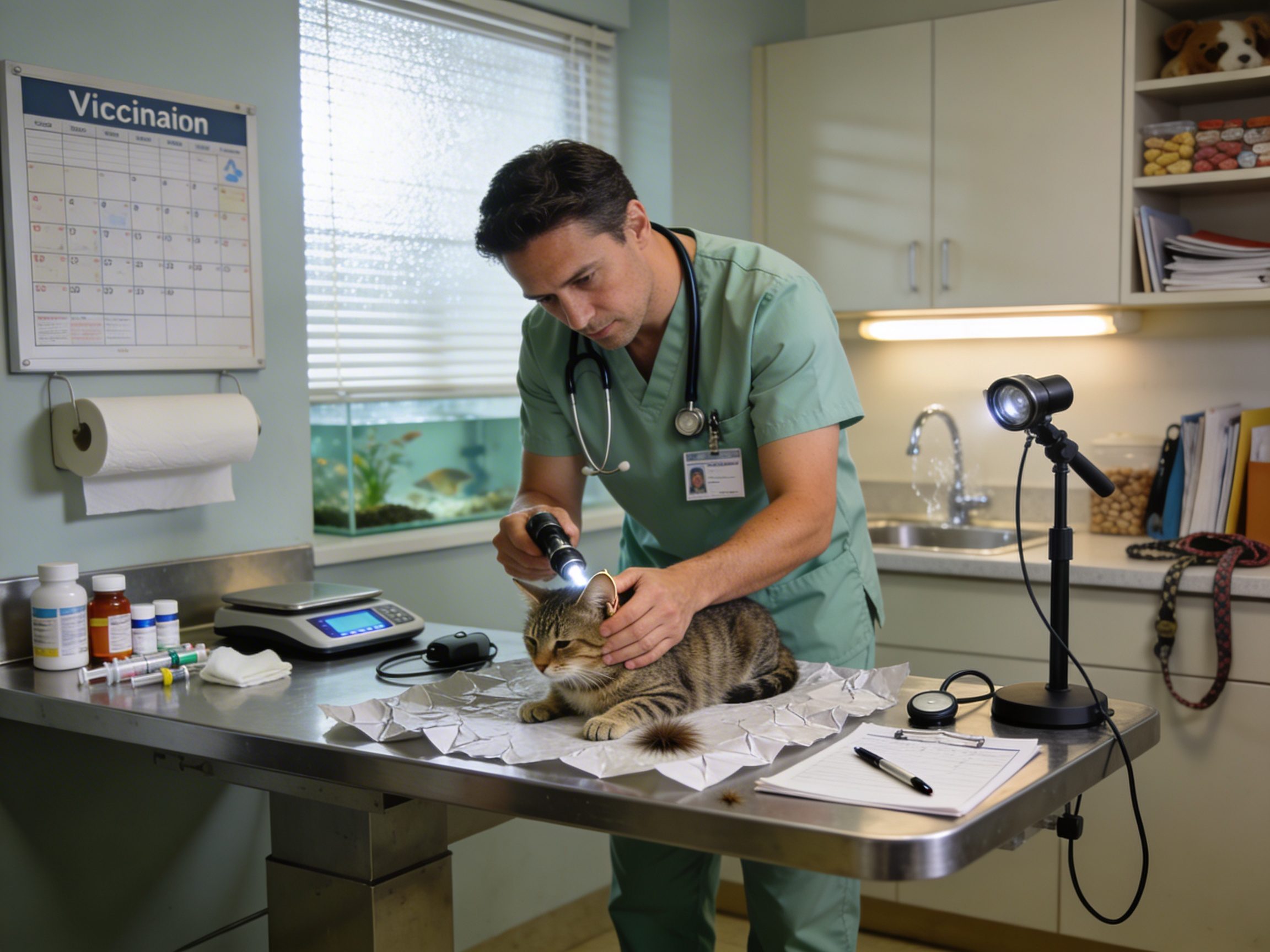
A general services page cannot explain every verified clinical service, species, location, or appointment type. Missing hours, inaccurate availability, or unclear new-client acceptance creates confusion for prospective clients. Thin team pages also fail to connect veterinarians and technicians with verified roles, credentials, interests, and services.
Generic pet-health articles may attract informational traffic without helping a client choose a clinic. Useful pages explain actual practice capabilities without giving diagnosis, treatment, medication, or home-care advice. Weak tracking prevents administrators from connecting calls, appointment requests, and booking clicks with specific service, species, team, or location pages.
Disconnected pages create another gap. A service may not identify the location, species, veterinarian, facility, appointment type, or booking path that supports it. Conflicting profile and website details can send clients to outdated hours or contact information.
The strategy coordinates practice accuracy, clinically reviewed content, species information, client experience, genuine local relationships, and entity clarity. Each part helps pet owners move from an appropriate search to accurate practice information and an appointment option.
Profile work aligns accurate categories, address, hours, verified services, photos, reviews, phone number, website, and appointment links with current operations. Practices should use the fewest accurate business categories; species treated belong in services and website content rather than invented categories. We review duplicate listings, conflicting information, holiday hours, and the connected landing page. A Google Business Profile specialist confirms location details, ownership access, appointment destinations, and temporary schedule changes with the practice manager or hospital administrator. Photos should show the real team and facility, while client-authorized pet images require documented permission. Service and attribute selections must match care the practice actually provides. Proximity, relevance, prominence, competition, search context, and Google policies affect visibility, so posts, photos, reviews, categories, and profile activity never guarantee placement.
SEO services for veterinary clinics create separate pages only when the practice offers the care and has enough clinically reviewed information to answer a pet owner responsibly. Pages connect verified services, species, veterinarians, locations, appointment types, related team or facility information, and appropriate booking paths. Dogs and cats may be relevant broadly; birds, reptiles, rabbits, small mammals, equine patients, large animals, exotic animals, mobile care, or referral services appear only when the practice confirms those capabilities. A veterinary content writer can organize supplied information around eligibility, preparation, facility context, referral needs, and the next appointment step without providing individualized medical advice. Team pages identify professional roles and verified credentials without assuming licensure, certification, board status, or association membership. Every medical statement requires authorized veterinary review before publication.
A neutral, policy-compliant process can request honest feedback after a patient visit without selecting clients by expected sentiment. The practice defines when a client service representative, receptionist, or automated system sends the same request to eligible clients. Reviews may naturally discuss communication, scheduling, client service, and facility experience. Requests should never seek emotional detail, keywords, clinical information, or sensitive patient data. Responses protect privacy and avoid discussing diagnosis or treatment. Operational feedback can help a practice manager identify unclear booking instructions or outdated information, while the website can explain the approved feedback channel. Review quantity, recency, detail, and responses may help prospective clients evaluate the practice, but no workflow, rating, response, or review total guarantees rankings, appointment requests, or new-client bookings.
Consistent listings connect the real practice name, address, phone, website, hours, veterinarians, and verified credentials across relevant sources. We audit major directories, legitimate professional records, and approved association profiles when membership and eligibility are confirmed. The audit also compares location pages, contact pages, booking tools, map listings, and profiles controlled by former vendors. A medical director, practice owner, or administrator verifies professional titles and current team status before publication. Old hours, retired phone numbers, duplicate locations, former clinicians, and unsupported credentials create confusion and should be corrected where access allows. Listing quantity and professional membership are never assigned a guaranteed ranking weight; accuracy, legitimacy, relevance, and client usefulness determine priorities.
Internal links connect service, species, team, facility, location, and appointment pages so clients and crawlers can follow relevant practice relationships. External references may come from genuine professional associations, shelters, rescue organizations, educational institutions, community organizations, referring veterinarians, or local pet organizations when a real relationship and publication approval exist. Referral content should describe the real handoff, services, eligibility, records process, and contact path approved by both organizations. Boarding or grooming businesses, breeders, and adoption groups appear only when a documented relationship is relevant to the practice. We do not manufacture referral links, memberships, preferred-provider claims, or shelter lists. Relevant relationships can support discovery and verification, but no link or association guarantees Maps placement or appointments.
Accurate relationships among the practice, veterinarians, medical reviewers, services, species, location, hours, verified credentials, reviews, and appointment options help retrieval systems interpret the clinic. We align factual descriptions across the website and trusted profiles while distinguishing routine, urgent, after-hours, emergency, specialty, mobile, and species-specific capabilities. Clear authorship and review information can connect a medical director or authorized veterinarian with the pages they approved. Consistent names connect associate veterinarians, veterinary technicians, assistants, receptionists, referral coordinators, and specialists with verified professional roles. Analytics specialists review how visitors reach and use these pages when measurement is available. Clear organization may support accurate extraction, but structured data, medical content, reviews, association membership, and consistency do not guarantee an AI citation, recommendation, ranking, appointment request, or patient visit.
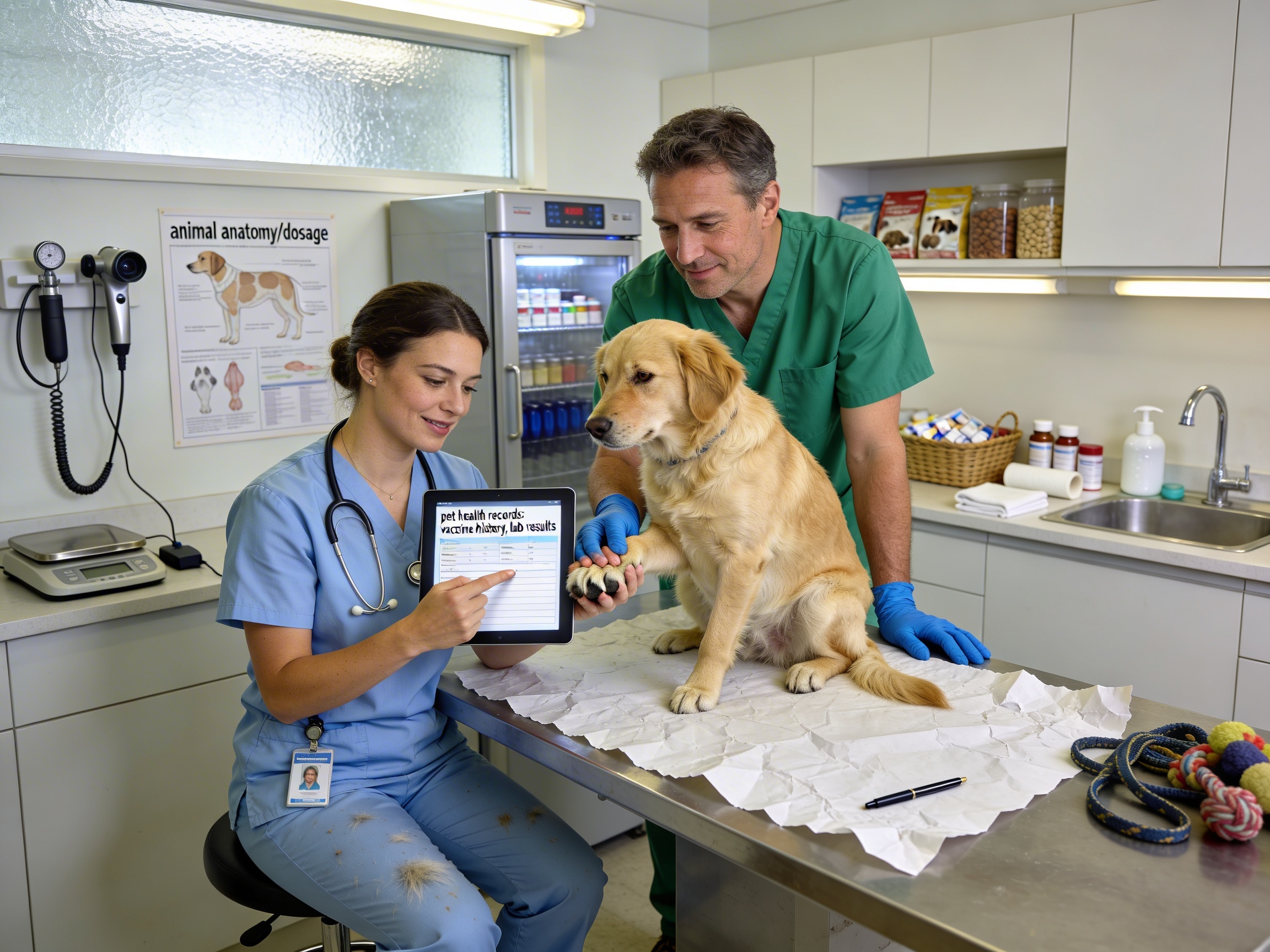
Search work fits practices that can verify services, species, locations, hours, team information, appointment options, clinical review, capacity, and responsibility for approvals. It supports independent clinics, multi-doctor practices, and animal hospitals with a defined operational need.
Search work requires accurate practice information, implementation access, clinical review, and time for approvals. A full practice may still need support for preferred services, a new location, future capacity, recruitment visibility, or clearer client communication. Practices unable to verify services, species, hours, locations, credentials, availability, new-client status, or appointment handling should establish those facts first. The work is also a poor fit when medical content cannot receive authorized review or when profile and website access cannot be provided.
We plan each campaign around the markets a business actually serves. Coverage refers to client markets, not Diakachimba office locations.
SEO for local and service-area businesses across U.S. markets, shaped by real services, competition, and buyer demand.
Market-specific search strategy for Canadian businesses that need stronger local visibility and qualified inquiries.
English, Spanish, and bilingual search support for relevant LATAM markets when the engagement requires it.
Local SEO
The improvements came from removing structural barriers to visibility, aligning content with real search demand, and strengthening how pages connected across the site.
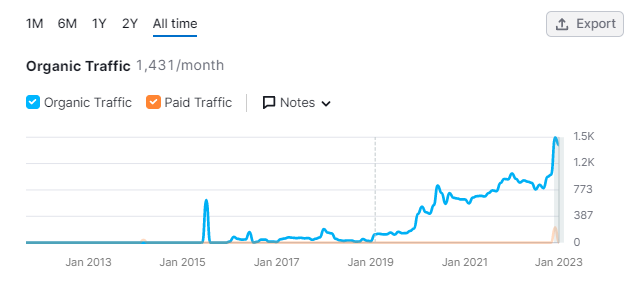
We review the site and market, prioritize the strongest opportunities, then expand the work that produces traction.
We audit the website, Business Profile, locations, verified services, species, team information, hours, reviews, competitors, rankings, technical condition, page relationships, and conversion tracking. Search demand is grouped by practice discovery, routine care, service-specific care, availability, and species. Findings identify gaps between pet-owner intent and what prospective clients can discover, evaluate, and book. The practice confirms operational facts before priorities become an implementation plan.
We correct technical issues, improve practice information, organize service and species pages, strengthen internal links, and establish clinical review plus compliant review-request processes. Local SEO for veterinary clinics aligns categories, address, hours, services, phone, website, and appointment options with verified operations. Access, analytics events, booking destinations, location details, and approval responsibilities are documented so published information and measurement remain accountable.
SEO for veterinary practices publishes approved service content, improves team and facility information, maintains accurate local details, and develops legitimate professional or community relationships. Service, species, location, clinician, and appointment pages link according to actual practice capabilities. Veterinary professionals review medical statements before publication, and claims about species, credentials, availability, relationships, or services require confirmation.
SEO for veterinarians tracks calls, appointment forms, booking clicks, new-client requests, service pages, location pages, and confirmed appointments where analytics or practice-management integrations support attribution. Reports identify the landing page, search channel, service context, location, and recorded conversion action when the available systems provide that data. Reporting separates client inquiries from animal patient visits and distinguishes measured activity from assumed clinical, retention, or revenue outcomes.
The work establishes accurate practice information, clinically reviewed pages, compliant client-feedback processes, and measurable appointment paths through a sequenced implementation plan. Results depend on competition, starting visibility, website condition, locations, review profile, content coverage, clinical review speed, access, and implementation pace.
Business Profile has basic or outdated location, hours, service, photo, review, phone, website, holiday, or appointment information that conflicts with current operations.
Visibility centers on the practice name instead of verified clinical service, species, location, availability, and appropriate appointment searches from prospective clients.
One general page combines unrelated services, species, appointment types, locations, clinical questions, and booking paths without showing real practice relationships.
Review requests occur inconsistently without a neutral process, documented timing, privacy safeguards, response guidance, or consistent treatment of eligible clients.
New-client discovery depends heavily on existing-client referrals, professional relationships, broad directories, or paid acquisition without a measured organic search path.
Calls, forms, booking clicks, and new-client requests have limited connection with landing pages, service topics, locations, scheduled patients, or confirmed appointments.
Location, hours, verified services, photos, reviews, phone, website, holiday, and appointment information become accurate across the profile and connected pages.
Clinically reviewed pages explain verified services, appropriate species, appointment types, locations, supporting team roles, and related practice capabilities without medical advice.
Species and team information reflects actual patients treated, professional roles, verified credentials, clinical interests, locations, services, and authorized medical reviewers.
A neutral post-visit process requests honest reviews from eligible clients without sentiment selection, requested keywords, clinical details, or sensitive patient information.
Calls, appointment forms, and booking clicks connect with relevant service, species, team, and location landing pages when available tracking permits.
Reporting identifies services, pages, channels, and locations producing inquiries without assuming scheduled patient visits, retention, clinical outcomes, appointment value, or revenue.
Results vary based on market competition, domain history, and starting point. We will tell you what is realistic for your specific market before you commit to anything.
A busy practice may still need accurate search visibility to support preferred services, new locations, changing capacity, or future appointment demand. Search information also helps existing and prospective clients confirm hours, location, services, species, team roles, availability, and appointment options before calling. Clear pages can reduce mismatched inquiries, explain where a verified service is available, support recruitment visibility, and prepare for a veterinarian joining or leaving the team. Veterinary practice SEO can support future capacity and accurate communication without assuming the clinic needs maximum appointment volume or should promote care it cannot provide.
Veterinary SEO reaches pet owners who recently moved, adopted an animal, need a specific service, or cannot obtain an appointment from their current clinic. Search can also help referred prospective clients verify clinical services, species treated, hours, location, team information, reviews, and booking options before requesting a new-client appointment. Referring veterinarians, shelters, rescue organizations, community groups, and current clients remain valuable sources, while accurate search information supports people outside those networks. Measurement can show which pages generate calls and booking actions without assigning every scheduled patient or dollar of revenue to search.
Initial visibility changes often appear within two to three months, while measurable appointment impact commonly takes four to six months or longer. Competition, starting visibility, website condition, locations, review profile, content coverage, clinical review speed, and implementation pace affect timing. Technical corrections and profile accuracy may be implemented first, while approved service pages, team information, legitimate relationships, and search discovery develop over time. Appointment data also depends on tracking access, booking systems, staff follow-up, capacity, and how the practice records new clients. The range is an expectation rather than a guarantee of rankings, inquiries, new-client appointments, or patient visits.
Direct answers for practice owners and managers evaluating accurate veterinary search visibility and appointment measurement.
Veterinary SEO helps pet owners find a clinic’s services, species information, hours, location, credentials, and appointment options, which can produce new-client bookings and patient visits. Accurate profile information, clinically reviewed service pages, appropriate species and team details, clear booking paths, and conversion tracking connect a prospective client with verified care while distinguishing the person requesting an appointment from the animal patient receiving care and avoiding assumptions about capacity or acceptance.
Veterinary clinics improve Google Maps visibility through accurate categories, services, hours, location information, photos, reviews, website relevance, and consistent practice details. Local search work also considers proximity, competition, prominence, search context, policy compliance, duplicate listings, verified operations, holiday hours, appointment links, the connected landing page, and a neutral client-review process, but no category, post, photo, review, service, or profile activity guarantees a particular Maps position.
Service-specific pages can support searches for vaccinations, dentistry, diagnostics, surgery, wellness care, and other verified offerings when veterinary professionals review the medical content. Each page should reflect a real service, the appropriate species, locations, veterinarians or team roles, facility context, appointment types, related pages, and an approved booking path, while excluding unsupported credentials, individualized medical advice, and services the practice does not provide.
Emergency veterinary SEO requires genuine emergency or urgent-care availability, accurate hours, clear contact instructions, and service information reviewed by the veterinary practice. A regular clinic should never present itself as a 24-hour emergency hospital or add urgent, same-day, after-hours, or walk-in language unless the practice verifies the capability, operating hours, location, triage or contact process, and current availability for prospective clients and animal patients.
Getting started requires website and Business Profile access, verified services, species treated, hours, locations, credentials, appointment options, and available conversion data. The practice identifies a medical director, veterinarian, or other authorized clinical reviewer; confirms new-client acceptance, urgent or emergency availability, professional roles, location details, review processes, and booking steps; and provides implementation access plus available analytics or practice-management information for responsible attribution.
Veterinary SEO services start at $2,500 per month, with final scope based on locations, competition, website condition, service coverage, and content-review requirements. Scope may also reflect technical corrections, Business Profile work, service and species architecture, team and facility information, local relationships, conversion tracking, implementation support, approval workflows, and available practice-management integrations, while the approved price does not promise rankings, inquiry volume, scheduled patients, retention, or revenue.
A veterinary SEO company connects pet owners and animal patients with verified services, species information, clinical teams, practice locations, hours, Google Maps and organic visibility, and appropriate appointment options. Clinically reviewed pages and accurate profiles help prospective clients understand what the practice provides without publishing medical advice or unsupported availability. Review your website, Google Business Profile, service and species coverage, competitors, clinical content, conversion paths, and appointment tracking to identify practical accuracy, discovery, and measurement priorities.
Get Your Free Veterinary SEO Audit The review identifies profile, content, technical, clinical-review, conversion, and measurement priorities without promising rankings, inquiry volume, appointments, or revenue.